
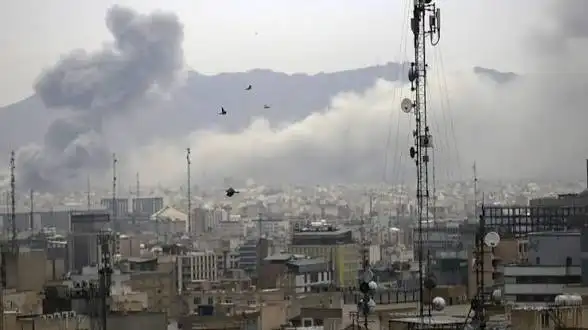
Regional tensions rose further as military operations continued alongside active diplomatic dialogue, creating a complex landscape of parallel pressure and negotiation. Officials across several capitals acknowledged the strain, emphasizing deterrence while keeping communication lines open. Monitoring groups reported sustained activity patterns that underscore the difficulty of aligning security objectives with de escalation messaging during sensitive phases.
Defense authorities described calibrated operational tempos designed to maintain readiness and signal resolve. Command centers integrated intelligence updates with patrol schedules and airspace management to reduce risks. Officials reiterated adherence to international law and proportionality standards while reviewing contingency pathways shaped by partner consultations and evolving threat assessments across multiple theaters.
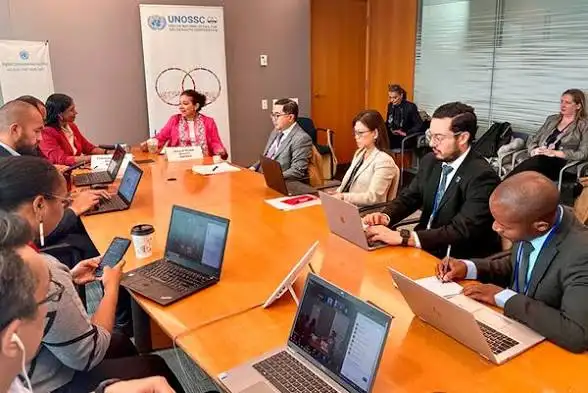
Diplomatic envoys maintained contact through bilateral channels and multilateral venues, excing proposals and clarifications. Public statements balanced firmness with openness to compromise, aiming to prevent misinterpretation. Analysts noted that synchronized messaging can reassure allies and manage domestic expectations while preserving flexibility required for technical negotiations and confidence building measures.
Humanitarian organizations urged protection of civilians and essential infrastructure amid continued operations. Local administrators coordinated shelter capacity, medical readiness, and infrastructure inspections where disruptions occurred. Aid groups emphasized safe access corridors and accurate public information, supporting communities navigating transport delays, utility interruptions, and communications constraints linked to operational environments.
Energy markets and logistics networks tracked developments for potential supply implications. Shipping firms evaluated routing alternatives and insurance parameters as advisories evolved. Economists said policy signals and operational scope may influence pricing expectations and investment planning across interconnected trade corridors spanning regional and global systems under heightened geopolitical sensitivity.
Regional institutions including the Arab League convened consultations to assess implications and encourage restraint. Delegations discussed verification channels, humanitarian access, and risk reduction steps. Observers said multilateral settings can provide neutral platforms for clarifying claims, aligning expectations, and reinforcing norms that reduce escalation incentives during fast moving crises.
Officials maintained that preparedness and dialogue can proceed in parallel without predetermining outcomes. Future decisions will reflect verified assessments, partner input, and diplomatic traction. Strategic communication seeks to project steadiness while preserving negotiation space. Analysts expect continued monitoring of operational patterns and political signals as stakeholders pursue workable arrangements under evolving conditions.




Leave a comment