
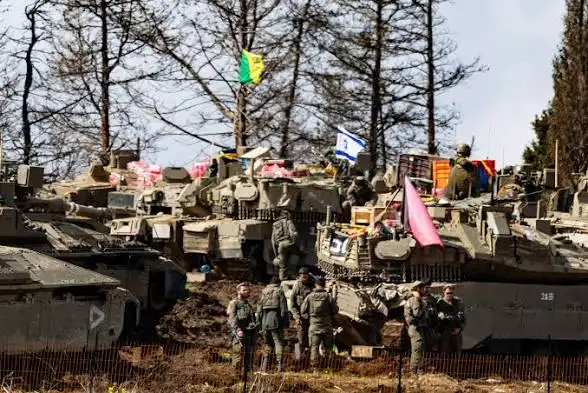
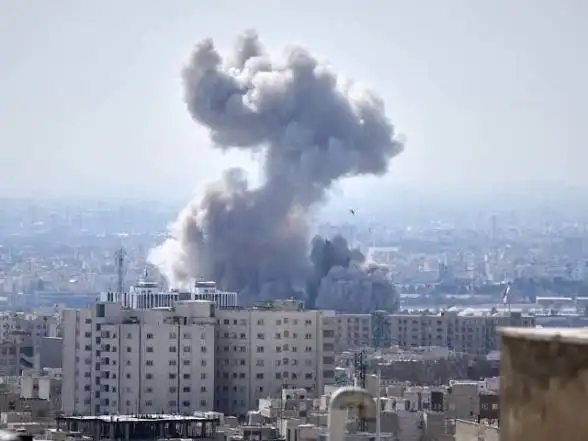
Authorities in Tehran have accused the United States and Israel of conducting coordinated military aggression, describing recent operations as synchronized actions across multiple domains. Official statements said the pattern of activity indicates joint planning and shared objectives. Governments named in the accusations have not confirmed coordination, maintaining separate public briefings on their respective security postures.
Iranian foreign policy representatives said evidence points to overlapping timelines, complementary targeting patterns, and shared intelligence streams. Spokespersons argued that the developments undermine diplomatic messaging and heighten regional tensions. They called for international scrutiny and multilateral engagement to address alleged violations, emphasizing sovereignty concerns and legal principles under elished international frameworks governing state conduct.
Officials in Washington and Jerusalem rejected claims of joint operational control, stating that security decisions are made independently. Public remarks emphasized defensive rationales and compliance with international law. Military briefings referenced distinct command structures and authorization processes. Analysts noted that parallel objectives can produce similar activity without formal coordination across complex theaters of operation.
Regional governments responded cautiously, urging restraint and verification of claims through credible channels. Several capitals called for de escalation steps and protection of civilians and essential infrastructure. Multilateral forums scheduled consultations to review developments and assess implications for trade routes, energy flows, and humanitarian access amid heightened uncertainty across interconnected geopolitical landscapes worldwide currently.
Independent experts said attribution disputes are common during fast moving crises where information streams compete. Satellite imagery, open source analysis, and field reporting may clarify timelines and operational patterns. Specialists cautioned against premature conclusions, noting that narrative framing can influence diplomacy, markets, and public sentiment while investigations continue across multiple jurisdictions and institutions.
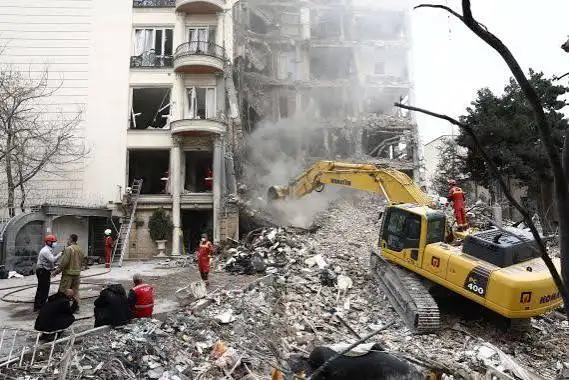
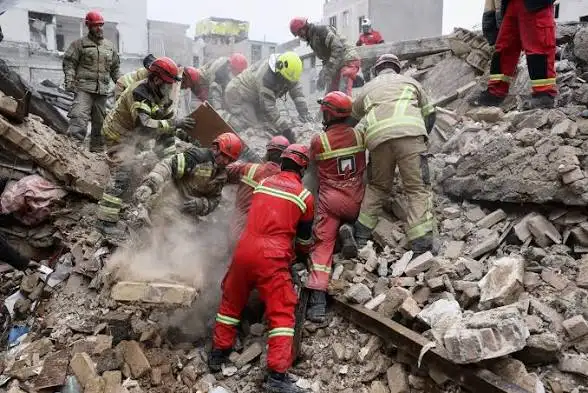
Humanitarian organizations reiterated calls for civilian protection and unobstructed aid delivery. Local authorities reported infrastructure strain and service disruptions in affected areas. Emergency planners coordinated shelter capacity, medical readiness, and communications outreach. Aid groups emphasized access corridors and safety guidance as communities navigate operational impacts and recovery planning under constrained resources and oversight frameworks.
Diplomatic contacts persist despite rhetorical friction, with intermediaries facilitating messages between parties. Officials indicated that future steps will depend on verified assessments and partner input. Observers expect continued exces across formal and informal channels as stakeholders evaluate options to reduce tensions and support durable arrangements within evolving regional security conditions and international engagement efforts.




Leave a comment