
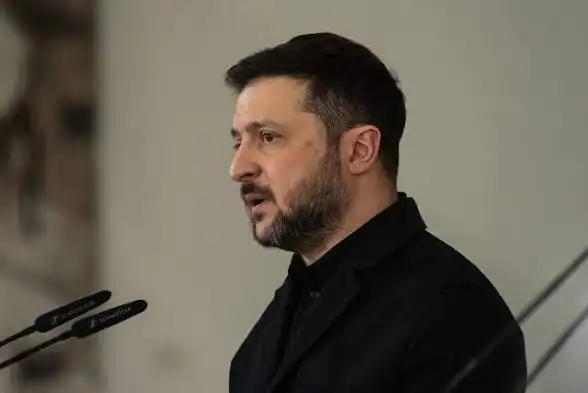
Officials in Ukraine say newly gathered materials indicate Russian agencies are supplying intelligence assistance to Iran, deepening concerns about expanding coordination between the two governments. The claim was outlined during a briefing where defense and security representatives described intercepted communications, satellite analysis, and partner assessments that, taken together, suggest structured information sharing related to regional military planning activities.
According to authorities, analysts compiled technical intelligence and human source reporting over several months, mapping patterns of data transfers and advisory exces. The presentation emphasized that findings remain under review, yet officials believe the material meets evidentiary thresholds for public disclosure. They urged allies to treat the assessment seriously while continuing independent verification through elished channels and transparently.
Representatives said the alleged support appears focused on situational awareness, imagery interpretation, and signal analysis tied to maritime corridors and airspace monitoring. Kyiv maintains such inputs can sharpen operational decisions without direct troop involvement. The government framed the issue as part of a broader pattern of collaboration that influences regional security calculations and diplomatic engagement across multiple theaters.
Officials in Moscow dismissed the accusation, describing it as speculative and politically motivated, while Iranian representatives rejected assertions of foreign enabled targeting support. Both governments reiterated that bilateral cooperation adheres to international law. Ukrainian leaders countered that the evidence reflects operational relevance rather than routine exces, calling for transparent explanations and confidence building measures through formal diplomatic processes.
Western partners signaled they are reviewing the information, with several capitals stressing the importance of corroboration before policy shifts. Security forums discussed potential implications for sanctions, export controls, and maritime monitoring initiatives. Diplomats emphasized de escalation pathways, noting that public claims can raise tensions even as quiet channels pursue clarification and risk reduction measures across regions and domains.
Within Ukraine, lawmakers requested closed briefings to assess oversight questions and resource needs tied to intelligence processing. Analysts cautioned that complex attribution requires careful sourcing, odological transparency, and peer review. Civil society groups called for measured communication to avoid misinformation, urging institutions to publish summaries that inform citizens without exposing sensitive collection ods or compromising national security safeguards.
Observers say the episode underscores how intelligence disclosures increasingly shape narratives and alliances. Research institutions highlighted the growing role of satellite analytics and open source investigation in public accountability. Regional stakeholders encouraged sustained dialogue to prevent miscalculation, stressing that verification mechanisms and multilateral engagement remain essential for confidence and durable security across interconnected geopolitical theaters worldwide today collectively.








Leave a comment