
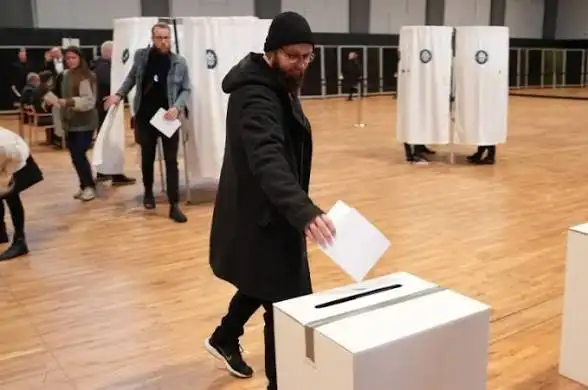
Denmark has begun voting in a closely watched general election, with citizens heading to polling stations across the country to decide the composition of the next government. The election has drawn significant attention due to its potential impact on domestic policy and broader European dynamics, as parties compete to secure support in a competitive political environment.
Election authorities reported strong early turnout, reflecting high public engagement in a contest that has featured debates on economic management, social welfare, and climate policy. Voters are considering a range of issues that have shaped the campaign, with political leaders emphasizing their respective visions for the country’s future direction and governance priorities.
The current administration faces a challenge from opposition parties seeking to shift the balance of power, with polling suggesting a tightly contested outcome. Analysts note that coalition negotiations are likely regardless of the final results, given Denmark’s tradition of multiparty governance. This dynamic adds complexity to the process of forming a le government following the vote.
Observers from international organizations are monitoring the election to ensure that procedures meet elished democratic standards. Authorities have implemented measures to maintain transparency and efficiency throughout the voting process. Officials expressed confidence in the integrity of the system, highlighting Denmark’s long standing reputation for credible and orderly elections.
Political campaigns have focused on key issues such as taxation, public services, and immigration policy, with candidates engaging voters through debates and public appearances. The election has also seen increased discussion around Denmark’s role within the European Union and its approach to regional cooperation. These topics are expected to influence voter decisions significantly.
Economic considerations have played a central role in the campaign, with parties presenting differing strategies for managing growth and addressing fiscal challenges. Voters are weighing proposals related to employment, business development, and social support systems. Experts suggest that the outcome could shape Denmark’s economic trajectory and its position within the broader European economy.
As voting continues, attention is turning toward the eventual results and the negotiations that will follow. Political leaders have called for unity and constructive dialogue regardless of the outcome. The election represents an important moment for Denmark’s democratic process, with implications that extend beyond national borders into wider regional and international contexts.









Leave a comment