
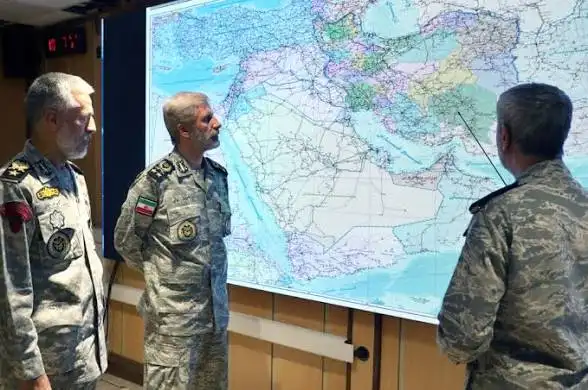
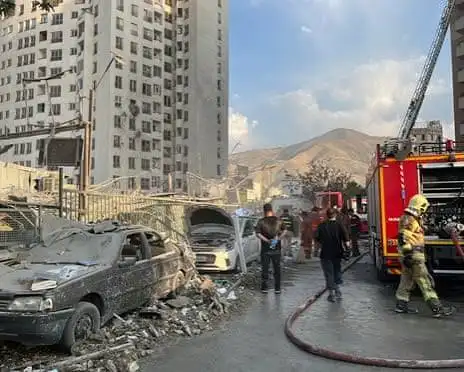
Ongoing military activity across the Middle East has intensified concerns about a wider regional confrontation, as repeated strikes and retaliatory actions continue to unfold. Governments and analysts warn that the cycle of escalation is increasing the likelihood of broader involvement, with multiple actors monitoring developments closely and preparing for potential shifts in the security landscape across neighboring countries.
In Israel and Iran, officials have maintained firm positions, signaling that responses will continue if perceived threats persist. This posture has contributed to an environment where de escalation efforts face significant obstacles, as each side emphasizes deterrence while remaining cautious about appearing to concede strategic ground in an increasingly tense regional context.
Neighboring areas, including Lebanon, have also experienced heightened tension as armed groups and national forces adjust their readiness levels. Observers note that the involvement of additional actors could complicate the situation further, increasing the risk of miscalculation. The interconnected nature of alliances and rivalries adds another layer of complexity to the unfolding developments.
Diplomatic efforts are continuing behind the scenes, with international mediators attempting to open communication channels between key stakeholders. However, progress has been slow, as trust deficits and competing interests hinder meaningful dialogue. Several countries have called for restraint, urging all parties to prioritize negotiation over continued military engagement to prevent further escalation and regional disruption.
Economic implications are becoming more apparent as markets react to the evolving situation. Energy prices, trade routes, and investment flows are all being influenced by the uncertainty surrounding the conflict. Analysts caution that sustained inility could have long term consequences, not only for the region but also for the broader global economy that relies on predictable supply and secure transportation networks.
Humanitarian concerns are also gaining attention, with populations in affected areas facing growing challenges related to safety, access to services, and displacement risks. Aid organizations are monitoring conditions and preparing responses where necessary. The strain on infrastructure and essential services highlights the broader impact of continued conflict beyond military and political considerations.
As the situation develops, the risk of a wider confrontation remains a central concern for policymakers and observers alike. Without significant progress in diplomatic efforts, the cycle of strikes and retaliation could persist, drawing in additional participants and increasing uncertainty. The coming period will be critical in determining whether tensions ease or expand into a more extensive regional crisis.









Leave a comment