
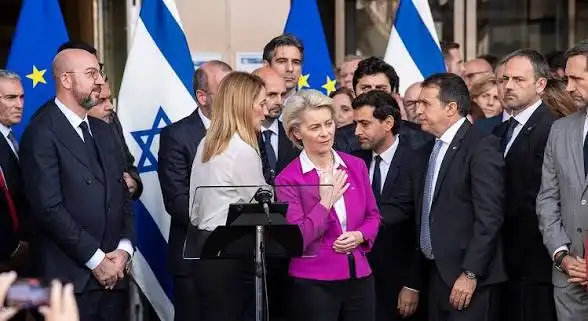
Far right political movements across Europe are showing clear divisions over their stance on the escalating conflict involving the United States, Israel, and Iran. While some factions have expressed strong support for Western alliances, others are advocating non involvement, reflecting differing ideological priorities and national interests within a political landscape already marked by fragmentation and rising voter polarization.
In countries such as France and Germany, far right parties have struggled to present unified messaging on the crisis. Some leaders emphasize traditional alignment with Western security frameworks, while others focus on domestic concerns, arguing that foreign conflicts should not dictate national policy decisions or economic priorities during a period of internal political recalibration.
Analysts suggest that these divisions stem from competing narratives within the far right spectrum, including nationalism, economic protectionism, and skepticism toward international institutions. Certain groups view the conflict through the lens of geopolitical influence, while others prioritize limiting external engagement. This divergence has made it difficult for movements to consolidate their positions or present cohesive policy alternatives to voters.
The split has also influenced public discourse, with supporters and critics engaging in debates over the appropriate level of involvement in global conflicts. Social media platforms and political forums have amplified these discussions, highlighting the complexity of aligning ideological principles with practical policy considerations. Observers note that the issue has become a focal point for broader debates about sovereignty and international cooperation.
Political leaders within the far right have attempted to navigate these divisions by tailoring their messaging to national aunces. Some emphasize security concerns and alliance commitments, while others highlight economic risks associated with prolonged conflict. This strategic variation reflects an effort to maintain relevance and appeal in diverse political environments while avoiding internal fragmentation.
The evolving situation has drawn attention from broader European institutions, including the European Parliament, where debates over foreign policy and regional security continue to unfold. Policymakers are closely monitoring how internal divisions within political movements could influence national positions and collective decision making at the continental level.
As tensions persist, the divisions within European far right movements are expected to remain a significant factor shaping political responses to the conflict. Analysts warn that inconsistent messaging could affect electoral outcomes and policy direction in several countries. The situation underscores the challenges of balancing ideological identity with the realities of an increasingly interconnected global political landscape.







Leave a comment