
The International Energy Agency has issued a stark warning that the current global energy crisis could surpass the severity of the oil disruptions experienced during the nineteen seventies. Officials highlighted that the scale and speed of recent supply constraints, combined with geopolitical tensions, have created conditions that are placing unprecedented strain on global energy systems and economic ility worldwide today.
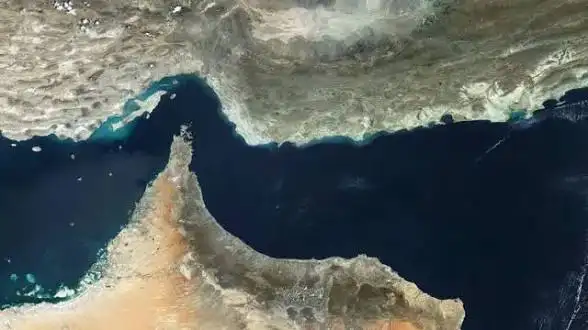
According to the agency, the disruption of key supply routes and uncertainty surrounding production levels have significantly tightened global markets. Unlike previous crises, today’s energy landscape is more interconnected, meaning that shocks in one region can rapidly cascade across continents, affecting industries, transportation networks, and consumer prices in ways that amplify the overall economic impact on multiple sectors simultaneously.
The agency noted that the current situation involves not only supply limitations but also heightened demand pressures, particularly in rapidly developing economies. This combination has reduced the margin for error within the global energy system, leaving countries with fewer buffers to absorb sudden disruptions and increasing the likelihood of sustained price volatility across oil and gas markets in the near future.
Energy policymakers around the world are now facing complex decisions as they attempt to respond to the evolving crisis. Measures under consideration include releasing strategic reserves, accelerating investment in alternative energy sources, and implementing conservation strategies aimed at reducing consumption. However, officials acknowledge that such measures may take time to produce meaningful effects under current conditions globally.
The warning has prompted renewed discussions about long term energy security and the need for diversification of supply sources. Experts argue that reliance on a limited number of transit routes and producers has exposed structural vulnerabilities, particularly during periods of geopolitical tension. Strengthening resilience will likely require coordinated international efforts and significant investment in infrastructure and technology moving forward.
Financial markets have reacted to the agency’s assessment with increased caution, as investors weigh the potential for prolonged disruptions and economic consequences. Rising energy costs can influence inflation rates, currency ility, and government spending, creating ripple effects that extend well beyond the energy sector into broader economic activity across both developed and emerging markets worldwide today.
As governments and institutions continue to monitor the situation, the agency has emphasized the importance of cooperation and transparency among nations. The coming period will be critical in determining whether coordinated actions can mitigate the impact of the crisis or if the world will face a prolonged period of energy challenges reminiscent of one of the most turbulent eras in modern economic history.











Leave a comment