
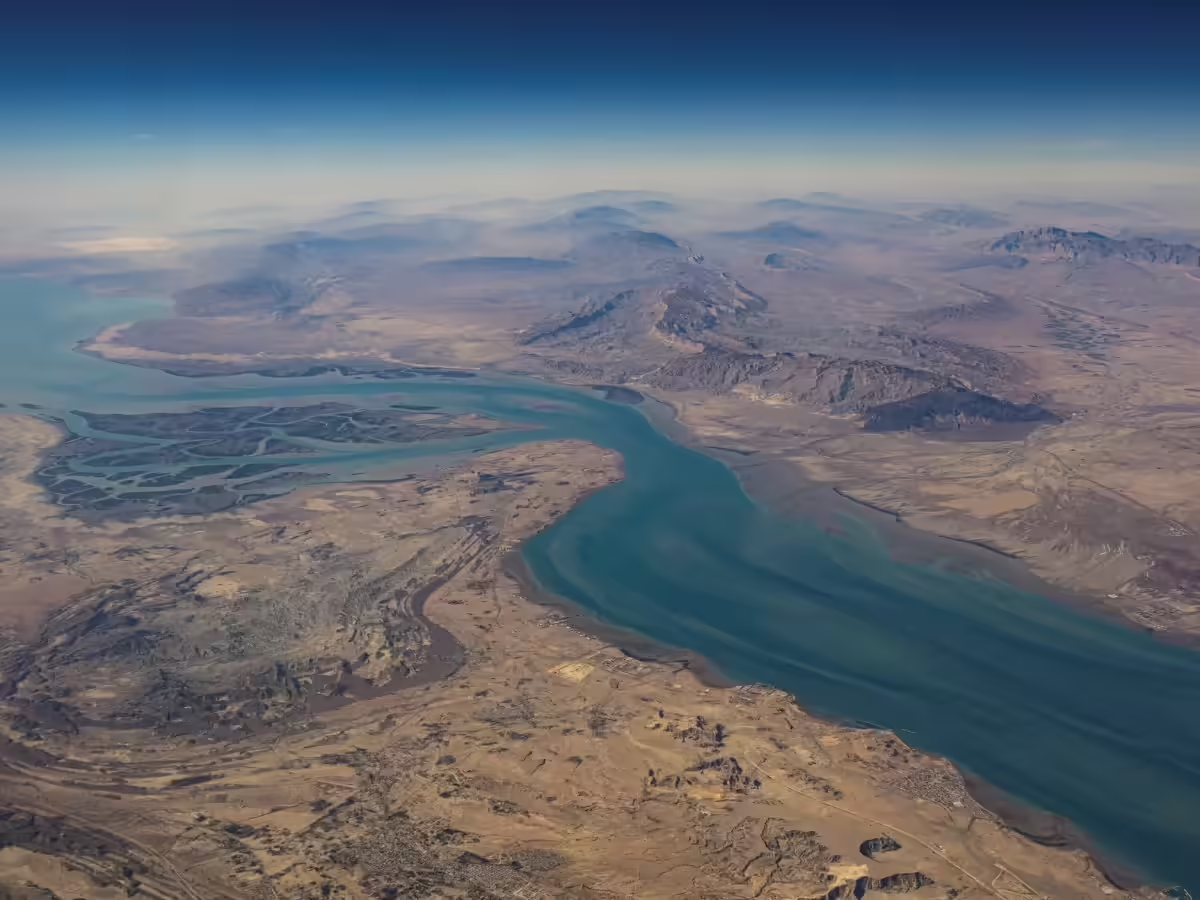
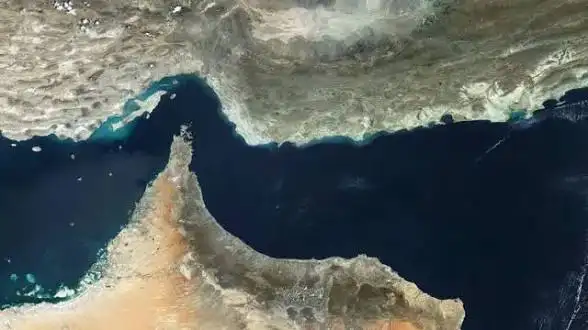
The standoff over the Strait of Hormuz intensified as Iran’s effective blockade continues, with the US and Gulf states excing threats targeting energy and oil infrastructure across the Middle East. US President Donald Trump warned Tehran of possible obliteration of its energy facilities if the channel is not reopened within 48 hours, a deadline that expires today.
Iran swiftly responded, threatening irreversible destruction of US-linked energy sites throughout the region should its power plants be ed. The confrontations follow Iranian missile strikes on southern Israeli towns of Arad and Dimona, injuring over 160 people, marking the most destructive since the conflict began. Israeli Prime Minister Benjamin Netanyahu vowed retaliation “on all fronts.”
The closure of the strategic waterway, which carries a fifth of global crude oil in peacetime, has driven Brent crude above $105 per barrel, raising concerns about long-term global economic consequences. Iran’s foreign minister, Abbas Araghchi, said Tehran restricts passage only for countries involved in s, while assisting neutral vessels.
Trump reinforced his threat via Truth Social, stating the US would “hit and obliterate various Iran power plants starting with the biggest one first” if the strait remains closed. US Treasury Secretary Scott Bessent echoed this approach, noting escalation may be necessary to eventually wind down the war.
Iran’s military warned that all critical energy, oil, and ICT infrastructure linked to the US and regional allies would be considered legitimate targets if Tehran is ed. The Islamic Revolutionary Guard Corps indicated that action could extend “beyond just the region” within 48 hours. Iran’s parliament speaker Mohammad Bagher Ghalibaf warned oil prices would remain high if the standoff continues, while Iranian MPs confirmed a $2 million fee is being charged for ships transiting the strait.
Meanwhile, the strikes on southern Israel injured dozens, with Dimona, widely believed to host Israel’s only nuclear facility, sustaining missile impacts that bypassed air defences. The UN nuclear watchdog and WHO Director-General Tedros Adhanom Ghebreyesus warned that s on nuclear sites create escalating threats to public health and environmental safety, urging maximum restraint to prevent nuclear incidents.
As global markets watch closely, the Strait of Hormuz remains a critical flashpoint, with both sides signaling readiness for further military escalation amid soaring energy prices and heightened regional tensions.




Leave a comment