
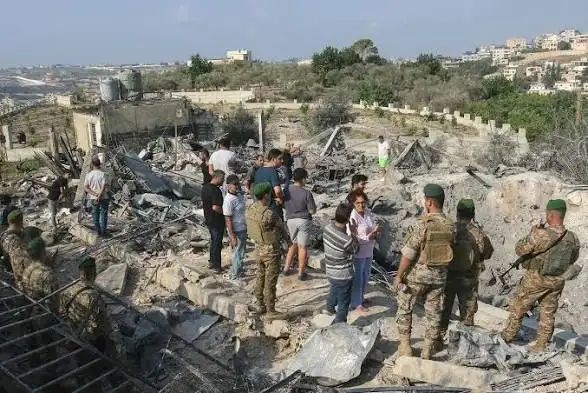
Israeli forces have intensified their regional campaign with new operations targeting positions linked to Hezbollah in southern Lebanon, signaling a widening scope of military activity beyond previously focused areas. Officials indicated that the actions are part of a broader strategy aimed at countering threats perceived to originate from multiple fronts amid escalating tensions across the Middle East region currently.
Defense sources reported that the targeted sites were believed to be associated with logistics networks, surveillance capabilities, and coordination hubs used by the group. While details remain limited, initial assessments suggest that several locations were affected during the operations, with Israeli authorities emphasizing the intent to disrupt activities they consider a direct risk to national security interests in the region.
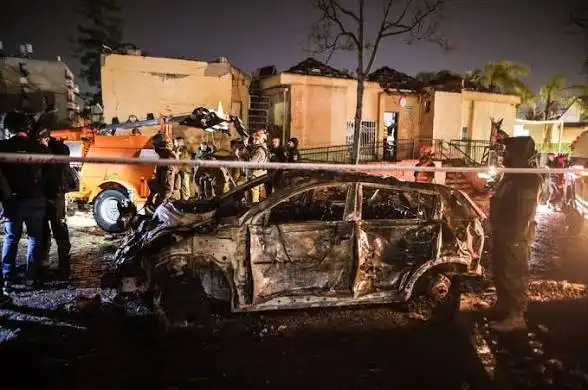
Local authorities in Lebanon have acknowledged activity in affected areas, with emergency services responding to incidents and assessing potential damage. Residents in nearby communities reported heightened tension, as precautionary measures were implemented, including temporary restrictions and advisories aimed at ensuring public safety during the unfolding developments across parts of the southern region where activity was reported.
Analysts note that the expansion of operations into Lebanon introduces additional complexity to an already volatile situation, raising concerns about the possibility of broader regional involvement. Hezbollah, which maintains significant influence within Lebanon, has historically played a central role in regional dynamics, making any escalation involving the group particularly sensitive for neighboring countries and international stakeholders monitoring developments closely.
Diplomatic responses have been swift, with calls for restraint issued by multiple governments and international organizations. Leaders have emphasized the importance of preventing further escalation that could impact civilian populations and regional ility. Efforts to re elish dialogue remain ongoing, though the current pace of developments has challenged attempts to achieve immediate de escalation through diplomatic channels at this critical stage.
Economic implications are also being closely monitored, as expanding military activity raises concerns about potential disruptions to trade routes and investor confidence. Markets have shown signs of volatility, reflecting uncertainty about how the situation may evolve and whether it could affect broader economic conditions, particularly in regions already sensitive to fluctuations in energy supply and geopolitical risk factors worldwide.
As the situation develops, both regional actors and global powers are assessing their positions and preparing for a range of possible outcomes. The unfolding events highlight the interconnected nature of security dynamics in the Middle East, where actions in one area can have far reaching consequences, reinforcing the urgency of coordinated efforts to prevent further deterioration of the current crisis environment.






Leave a comment