
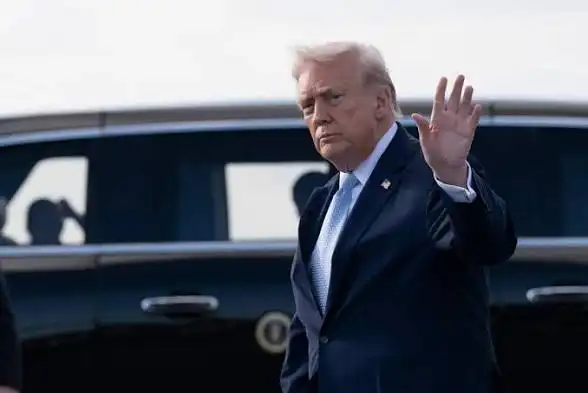
Former United States President Donald Trump has issued a firm ultimatum to Iran, demanding the reopening of the Strait of Hormuz within forty eight hours or facing significant military consequences. The statement comes amid intensifying tensions in the Middle East, where the vital maritime route remains partially disrupted, raising alarm across global energy and security sectors in recent hours.
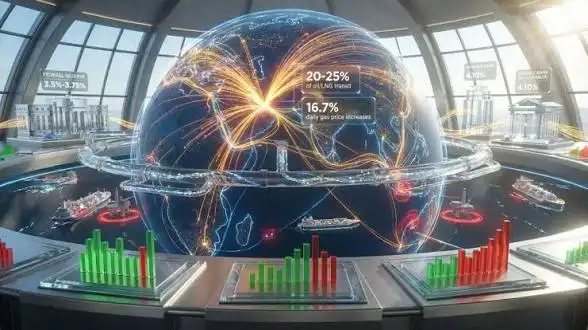
Speaking through official channels and advisers, Trump emphasized that the continued restriction of passage through the strategic waterway would not be tolerated by the United States or its allies. The Strait of Hormuz is considered one of the most critical chokepoints in global oil transportation, making any disruption a matter of international concern for governments and financial markets worldwide today.
Iranian officials have not issued a direct response to the ultimatum but have previously signaled that actions in the strait are tied to broader regional developments and security concerns. Analysts suggest that the standoff reflects a broader contest of influence, with both sides attempting to assert control while avoiding steps that could trigger an uncontrollable escalation across multiple fronts in the region.
Military observers report increased naval movements in nearby waters, including deployments aimed at ensuring freedom of navigation and safeguarding commercial vessels. These developments have heightened concerns among shipping companies, insurers, and energy traders, all of whom are closely monitoring the situation for any signs of further restrictions or potential confrontations that could impact supply chains globally.
Diplomatic efforts are continuing behind the scenes, with several international actors urging restraint and dialogue to prevent a broader crisis. European and Asian governments have expressed concern about the potential economic fallout, particularly if the standoff leads to prolonged disruptions in oil shipments that could influence energy prices and economic planning across major industrial economies worldwide.
Financial markets have already reacted to the uncertainty, with oil prices experiencing sharp movements and investors shifting toward safer assets. Economists warn that a prolonged disruption in the Strait of Hormuz could have cascading effects on inflation, transportation costs, and overall economic growth, particularly in countries heavily dependent on imported energy resources for industrial and consumer use.
As the deadline approaches, global attention remains focused on whether diplomatic channels can yield a resolution or if tensions will escalate further. Governments and international organizations continue to prepare contingency measures, reflecting the high stakes involved in maintaining ility in one of the world most strategically important maritime corridors at this critical moment in time.








Leave a comment