
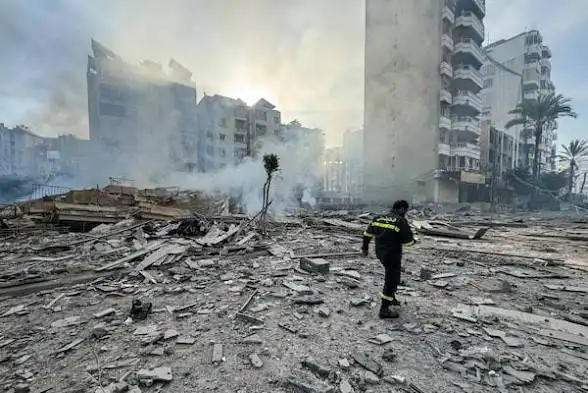
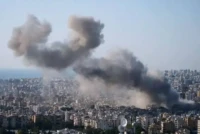
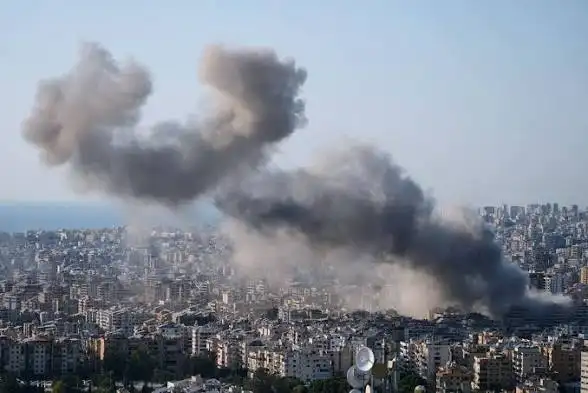
Lebanese authorities reported widespread casualties and severe damage across multiple districts following a new wave of intensified airstrikes overnight. Emergency services said residential neighborhoods, transport corridors, and public facilities were affected, prompting large scale rescue operations. Hospitals activated surge protocols as ambulances moved continuously between impact sites and medical centers amid challenging access conditions and communications disruptions nationwide.
The health ministry stated that medical teams treated hundreds of injured people while continuing searches for those trapped beneath debris. Blood banks appealed for urgent donations and regional clinics prepared additional capacity. Power outages and damaged roads complicated transfers, leading authorities to coordinate airlifts and mobile treatment units where ground transportation remained restricted throughout the affected regions today.
Local officials said rescue crews worked through dense urban areas using heavy equipment and canine teams to locate survivors. Civil defense units cleared unle structures and secured gas lines to prevent secondary hazards. Telecommunications providers deployed temporary towers to restore connectivity for emergency coordination and family reunification efforts across impacted communities amid continuing operational and safety challenges citywide.
Government spokespersons urged residents to follow official guidance and avoid circulating unverified information online. Curfews were introduced in selected zones to facilitate response operations and protect public safety. Education authorities suspended classes in affected districts while municipal teams assessed structural integrity of schools, hospitals, bridges, and water systems to prioritize repairs and restore essential services swiftly for residents.
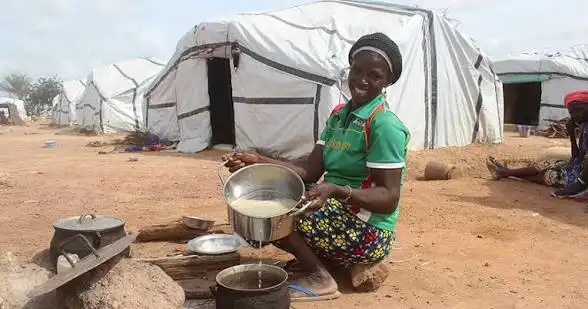
Regional humanitarian organizations mobilized relief supplies including food, water, blankets, and hygiene kits for displaced families. Temporary shelters expanded capacity in community centers and public halls as registration systems tracked needs. Psychosocial support services were elished to assist survivors coping with trauma, loss, and uncertainty amid ongoing hostilities across multiple provinces and densely populated neighborhoods seeking assistance urgently.
Diplomatic contacts intensified as regional actors called for restraint and renewed dialogue. International observers monitored developments closely, citing risks to civilians and infrastructure. Financial markets reacted cautiously while transport operators adjusted routes. Aid agencies emphasized sustained access corridors to ensure uninterrupted delivery of medical supplies and essential commodities to affected populations despite security and logistics constraints in place.
Investigations continued to document damage patterns, casualty figures, and compliance with international humanitarian law. Authorities said verified information would be released as assessments progressed. Community leaders called for solidarity and support for responders. Recovery planning began with priorities focused on shelter restoration, utility repairs, and long term reconstruction efforts coordinated by national and municipal institutions and partners nationwide.






Leave a comment