
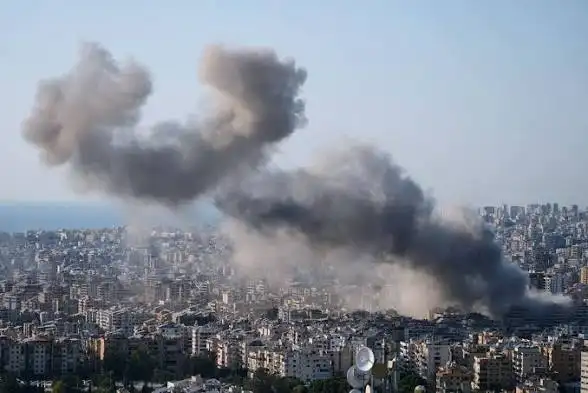
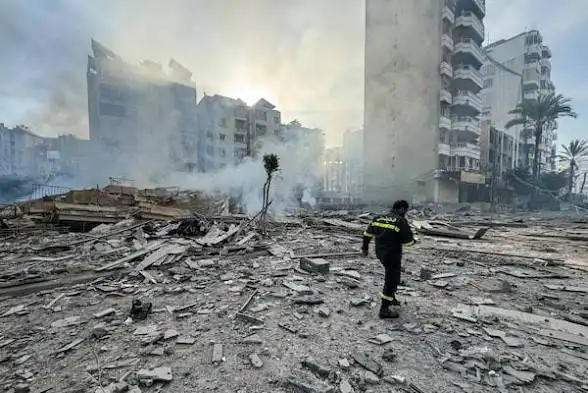
Humanitarian agencies report a steep increase in civilian displacement across Iran and several neighboring countries as families relocate from areas affected by sustained military activity. Relief coordinators say movements accelerated over recent days, with thousands seeking safer communities, temporary shelters, and cross border assistance. Local authorities are coordinating transport, registration, and essential services amid mounting logistical pressures.
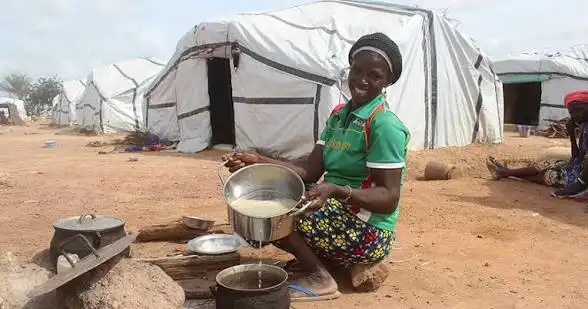
Field teams describe congested transit corridors and crowded reception centers as municipalities struggle to expand accommodation capacity. Volunteers and aid workers are distributing food parcels, potable water, bedding, and medical supplies while prioritizing vulnerable groups including children, older persons, and people with disabilities. Public health units are monitoring sanitation conditions to reduce communicable disease risks.
Government representatives in affected provinces say emergency response plans have been activated, unlocking contingency funds and interagency coordination frameworks. Mobile clinics and counseling services are being deployed to address trauma and urgent care needs. Education ministries are arranging temporary learning spaces so displaced students can maintain schooling continuity despite interrupted academic calendars.
Regional organizations are supporting data collection and needs assessments to guide resource allocation and cross border cooperation. Border management agencies report increased processing volumes while emphasizing orderly procedures and protection standards. Legal aid providers are advising families on documentation requirements, residency options, and access to social services within host communities.
Economic impacts are emerging as labor markets adjust to population shifts and disrupted supply chains. Small businesses face staffing shortages in departure zones and higher demand in receiving areas. Agricultural producers report delayed harvests linked to workforce mobility, prompting authorities to consider targeted subsis and transport support for essential goods distribution networks.
International donors have pledged additional funding to scale shelter capacity and reinforce health systems under strain. Logistics partners are coordinating air and land corridors for relief cargo, prioritizing medicines and water treatment equipment. Monitoring groups stress the importance of sustained financing to prevent service gaps as displacement patterns remain fluid and needs evolve.
Community leaders emphasize social cohesion and respectful integration as host neighborhoods welcome newcomers. Civil society networks are organizing language support, employment counseling, and cultural orientation programs to ease transitions. Authorities reaffirm commitments to humanitarian principles while pursuing diplomatic pathways aimed at reducing tensions and enabling safe, voluntary returns when conditions permit.






Leave a comment