
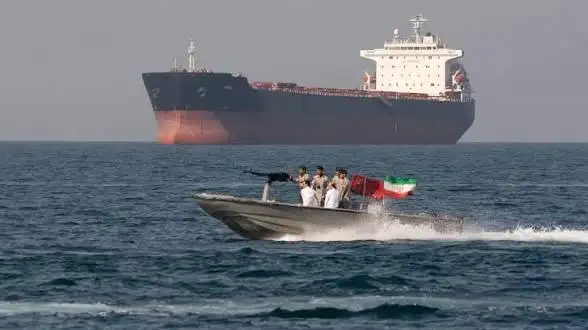
Global energy markets reacted sharply as disruptions along the Strait of Hormuz intensified, driving oil prices higher and raising fears of prolonged supply constraints. Traders cited escalating tensions between regional powers and uncertainty over shipping security as key factors influencing market sentiment, while analysts warned that continued volatility could ripple across economies already facing inflationary pressures worldwide today.
Market participants reported that crude benchmarks surged to multi month highs as shipping insurers reassessed risks tied to transit through the narrow waterway. Several tanker operators signaled possible rerouting or temporary suspension of voyages, citing safety concerns. Financial institutions adjusted forecasts, suggesting that even limited disruptions could tighten global supply balances and elevate transportation costs significantly for markets.
Officials in major importing nations expressed concern about energy security, with governments reviewing contingency plans to safeguard fuel availability. Strategic reserves were discussed as a buffer, though experts cautioned that releases might offer only short term relief. Industry groups urged diplomatic efforts to reduce tensions, emphasizing the importance of keeping critical maritime routes open for uninterrupted commercial activity.
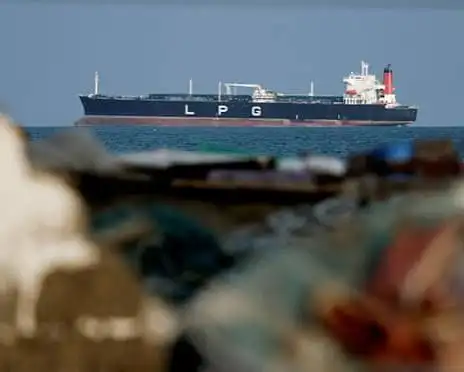
Shipping data indicated a decline in vessel traffic through the region as captains awaited clearer guidance from authorities and insurers. Ports in neighboring states prepared for potential backlogs as cargo schedules shifted. Analysts highlighted that delays could disrupt refinery operations and downstream distribution networks, creating knock on effects for industries reliant on steady energy inputs and timely deliveries.
Economists warned that sustained price increases could intensify inflationary pressures across both advanced and emerging economies. Higher fuel costs often translate into increased expenses for transportation, manufacturing, and agriculture, potentially affecting consumer prices. Central banks were said to be monitoring developments closely, weighing the implications for monetary policy amid already fragile economic recovery trends in several regions globally.
Energy companies assessed operational risks, with some firms exploring alternative supply chains and storage strategies to mitigate potential shortages. Industry executives emphasized the need for coordinated responses among producers and consumers to maintain market confidence. Meanwhile, geopolitical analysts suggested that any prolonged disruption could accelerate shifts toward renewable energy investment as nations seek to diversify their energy portfolios.
Market outlooks remained uncertain as traders balanced immediate supply concerns with expectations of diplomatic developments that could ease tensions. Some analysts projected continued volatility in the near term, while others pointed to the resilience of global supply networks. Observers agreed that the situation would remain a critical factor influencing economic forecasts and policy decisions across multiple sectors worldwide.








Leave a comment