
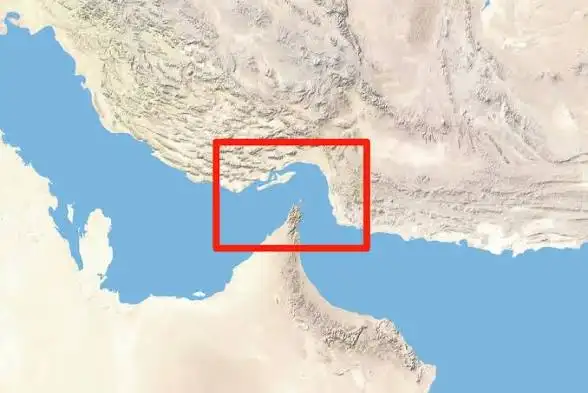
Iran has issued a stark warning that it could fully close the Strait of Hormuz if mounting pressure from the United States continues, raising alarm across global markets and diplomatic circles as one of the world’s most critical shipping corridors faces the prospect of severe disruption affecting energy flows and regional security calculations in the near term outlook.
The narrow waterway serves as a vital artery for oil shipments linking producers in the Gulf to consumers worldwide, and any closure would likely send shockwaves through supply chains, intensify price volatility, and complicate ongoing diplomatic efforts aimed at reducing tensions between Tehran and Washington amid an already fragile geopolitical environment with significant implications for global economic outlook.
Iranian officials indicated the move would be considered in response to what they describe as escalating pressure and ultimatums, emphasizing that national sovereignty and economic survival remain central considerations, while reiterating that any decision would be calibrated to signal resolve without immediately triggering a broader regional confrontation involving multiple state and non state actors in the present climate.
United States officials have not dismissed the warning, though they maintain that freedom of navigation remains a core principle, and have signaled readiness to coordinate with partners to ensure maritime routes stay open, even as discussions continue over potential policy adjustments that could either de escalate tensions or risk further hardening positions on both sides in coming weeks.
Market analysts warn that even the perception of restricted passage through the strait can influence trader behavior, leading to precautionary stockpiling and rapid shifts in pricing benchmarks, as insurers reassess risk and shipping firms consider rerouting options, all of which contribute to a complex web of economic reactions that extend far beyond the immediate region for global markets.
Regional governments have begun reviewing contingency plans, including alternative supply routes and emergency reserves, while urging calm among domestic populations and industry stakeholders, as the potential for disruption underscores the interconnected nature of energy systems and the importance of coordinated responses to maintain continuity in supply chains that underpin economic activity across multiple continents in the global environment.
Diplomats from several countries are intensifying back channel communications in an effort to prevent further escalation, recognizing that the consequences of a prolonged disruption would be felt worldwide, and emphasizing the need for dialogue that addresses security concerns while preserving the uninterrupted movement of goods through one of the most strategically significant maritime passages on the planet today.







Leave a comment