
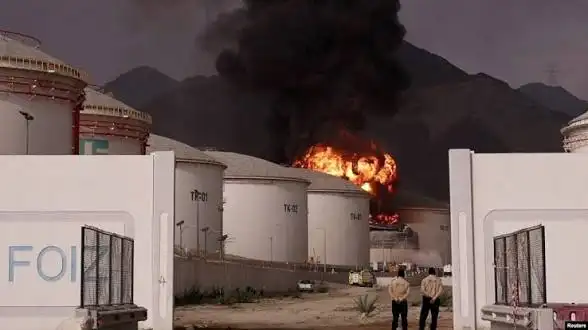
Global gas prices have surged sharply following a series of disruptions affecting key energy infrastructure in the Gulf, with markets reacting to heightened uncertainty over supply continuity and transportation security, as traders and governments assess the potential for prolonged volatility in a sector that plays a critical role in electricity generation, industrial output, and household consumption worldwide.
Energy exces recorded rapid upward movements as buyers rushed to secure alternative supplies, pushing spot prices higher across major hubs in Europe and Asia, while long term contracts came under renewed scrutiny as import dependent nations sought to diversify sourcing strategies and reduce exposure to geopolitical risks tied to concentrated production regions within the Gulf.
Analysts noted that the Gulf accounts for a substantial share of liquefied natural gas exports, meaning even localized disruptions can cascade through interconnected supply chains, tightening availability and increasing competition among buyers, particularly during periods of high seasonal demand when inventories are already under pressure and replenishment options remain limited in the short term.
Governments in several countries have begun reviewing emergency measures, including strategic reserve utilization and demand management policies, to cushion the impact on consumers and industries, while regulators engage with energy companies to ensure transparency in pricing and distribution, aiming to prevent panic driven behaviors that could further deilize already sensitive markets globally.
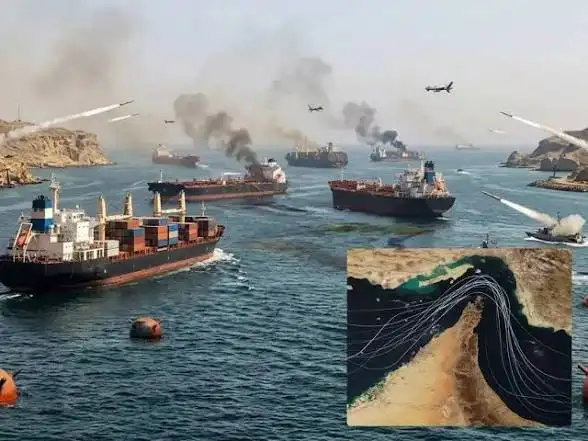
Shipping routes have also come under c scrutiny, with insurers adjusting risk assessments and premiums for vessels operating near critical maritime corridors, prompting some operators to consider alternative pathways or enhanced security arrangements, which in turn add logistical costs that are often passed along the supply chain, contributing to broader inflationary pressures in multiple sectors.
Financial markets have reflected the shift in sentiment, as energy related stocks experienced volatility and investors rebalanced portfolios to account for heightened risk exposure, while central banks monitor the situation for potential spillover into inflation trends that could influence monetary policy decisions in economies already navigating complex post pandemic recovery challenges.
The surge in gas prices highlights the interconnected nature of global energy systems, where regional disruptions can quickly translate into worldwide economic consequences, reinforcing calls for diversification, investment in resilient infrastructure, and renewed diplomatic efforts to reduce tensions that threaten the ility of essential supply networks across international markets and societies.








Leave a comment