
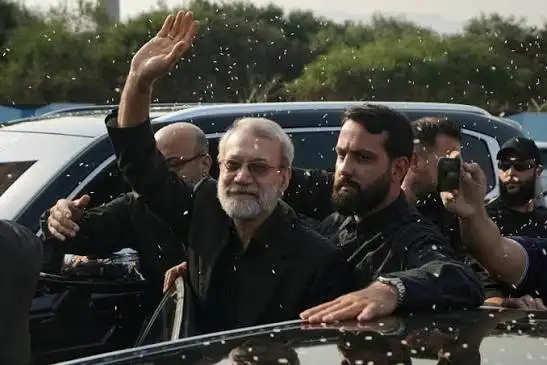
Senior security figures in Iran were reported lost following extensive air operations attributed to Israel, marking a significant moment in the widening regional confrontation. Official media outlined leadership impacts and emergency consultations, while international observers evaluated implications for deterrence, command continuity, and diplomatic engagement across the Middle East and beyond as tensions persisted across multiple fronts regionally and.
Authorities in Tehran acknowledged the developments and described rapid coordination among defense, intelligence, and civil institutions. Statements emphasized national resilience and procedural succession measures designed to preserve operational effectiveness. Parliamentary representatives called for unity and oversight, underscoring constitutional responsibilities while signaling that strategic decisions would reflect proportionality principles and evolving assessments of regional dynamics and future policy planning.
Military sources linked the sorties to the Israel Defense Forces, which declined operational specifics while affirming readiness postures. Officials in Israel cited security imperatives and coordination with partners. Authorities in Iran said emergency protocols were activated to secure facilities, review command structures, and maintain continuity across critical missions during ongoing regional security contingencies and assessments by senior leadership.
Regional governments assessed potential spillover risks affecting borders, airspace management, and maritime transit routes. Diplomatic channels remained active as envoys exced briefings and contingency plans. Several states emphasized deconfliction mechanisms intended to prevent miscalculation, while urging measured public communication to reduce misinformation and preserve predictable engagement among military and civilian authorities across interconnected theaters and jurisdictions regionwide today.
Energy and financial markets monitored developments closely, evaluating implications for supply chains, insurance costs, and investor sentiment. Shipping operators reviewed advisories concerning strategic waterways and port operations. Analysts produced scenario outlooks exploring production capacity, transportation reliability, and policy signaling from major producers and consumers navigating heightened geopolitical uncertainty worldwide amid evolving risk calculations and cross border planning efforts.
Civil protection agencies expanded preparedness measures, focusing on healthcare capacity, emergency communications, and infrastructure resilience. Universities and policy institutes convened forums to analyze escalation pathways and diplomatic options. In Tehran, municipal authorities coordinated services and public guidance, emphasizing continuity of essential utilities and community support resources while reinforcing safety protocols and interagency coordination frameworks for residents and businesses.
International organizations called for restraint and adherence to humanitarian and legal norms. Observers emphasized transparent communication, credible investigations, and proportional responses to limit civilian harm and infrastructure disruption. As consultations continue, policymakers face pressure to balance deterrence objectives with diplomatic engagement, ensuring crisis management frameworks remain effective amid complex regional security challenges and evolving multilateral governance expectations worldwide.




Leave a comment