
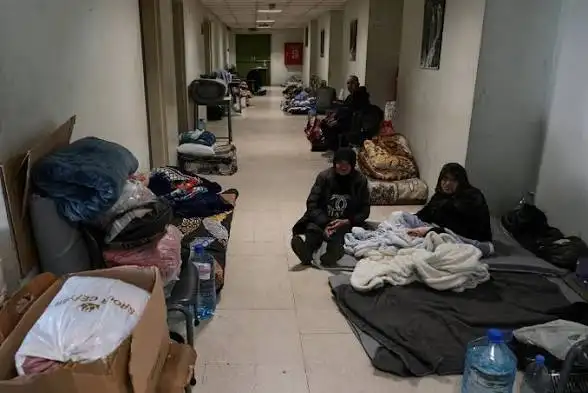
International humanitarian organizations are voicing urgent concern over worsening civilian conditions in parts of the Iran and Lebanon as regional conflict continues to disrupt daily life. Aid coordinators report mounting pressure on public services, displacement flows, and limited access to essential resources in several urban centers. The warnings come as relief networks struggle to keep pace with rising needs amid infrastructure strain and restricted movement across affected areas.
In Tehran, humanitarian monitors describe growing challenges for hospitals, utilities, and transportation systems serving densely populated districts. Medical facilities are managing higher patient volumes while facing supply bottlenecks that complicate routine operations. Power fluctuations and communication slowdowns have added to the difficulty of coordinating emergency response, according to field assessments shared with international partners. Local authorities say contingency measures are in place, but community groups indicate that vulnerable residents remain at risk.
Conditions in several parts of Lebanon reflect similar stress. Social service providers report increased demand for shelter, food assistance, and medical care as families relocate from high risk zones to comparatively safer neighborhoods. Municipal agencies and volunteer networks are working to expand temporary accommodation capacity, yet resource constraints persist. Education services have also been affected, with some schools repurposed as relief centers to support displaced households seeking short term ility.
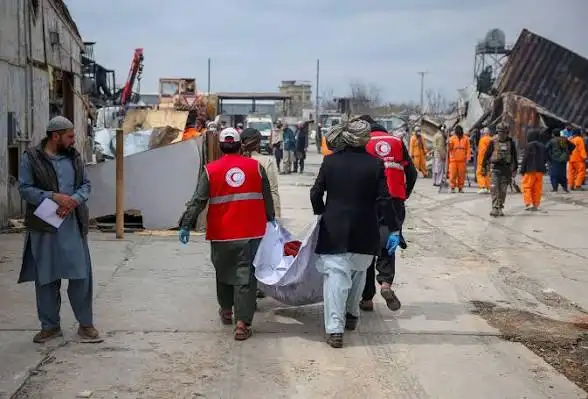
Global aid bos including the United Nations and the International Committee of the Red Cross say sustained access is essential to prevent further deterioration. Coordinators emphasize the importance of protected humanitarian corridors, predictable supply routes, and cooperation among local and international stakeholders. Relief officials stress that uninterrupted delivery of medical supplies, clean water systems, and food distribution can significantly reduce secondary impacts on public health and livelihoods.
Policy experts note that urban humanitarian responses require careful coordination due to population density and infrastructure complexity. Agencies are scaling data driven assessments to prioritize neighborhoods with the highest needs while reinforcing partnerships with local responders who understand community dynamics. As diplomatic efforts continue in parallel, humanitarian leaders say immediate civilian protection and assistance must remain central to international engagement. The evolving situation illustrates how prolonged conflict can intensify pressure on essential services and social cohesion far beyond front line areas.










Leave a comment