
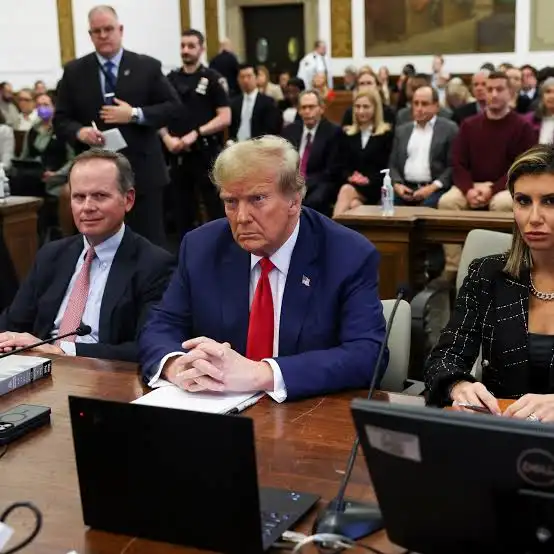
Legal analysts and commentators have intensified discussions surrounding Donald Trump and his efforts to elish reputational harm from a recent BBC documentary. The debate centers on whether the former president can successfully demonstrate that the broadcast caused measurable damage, a critical requirement for pursuing defamation claims in courts across multiple jurisdictions. Experts note that the case highlights complex intersections of media law, public figure protections, and global reporting standards.
The core issue revolves around proving tangible reputational loss, which typically involves showing demonstrable impact on public perception, financial standing, or personal credibility. Trump’s legal team asserts that the documentary presented misleading content that negatively affected his standing with domestic and international aunces. Conversely, BBC lawyers maintain that the reporting was grounded in verified sources and addressed topics of legitimate public interest, contending that no actionable harm occurred.
Judicial observers have highlighted the nuanced challenges of adjudicating cases involving high profile figures and international media entities. Courts must carefully balance the right to free expression against protections afforded to individuals, particularly in matters involving political leaders. Legal precedent in similar cases suggests that proving actual harm can be difficult, particularly when the subject is widely recognized and frequently scrutinized in public forums.
The broader implications for media organizations are significant. A successful claim by Trump could potentially embolden other public figures to pursue similar legal actions, affecting how international news outlets approach investigative reporting. Conversely, a ruling favoring the BBC would reaffirm strong protections for journalists operating in global contexts, signaling that responsible reporting on contentious political subjects remains permissible without undue threat of legal reprisal.
As proceedings continue, legal scholars anticipate extensive evidentiary submissions and arguments from both sides. The outcome will likely influence strategies adopted by media companies, public figures, and policymakers navigating the complex landscape of global communication, reputation management, and press accountability. Stakeholders across law and journalism are closely monitoring the case for its potential to reshape the boundaries of reputational claims in high profile disputes.









Leave a comment