
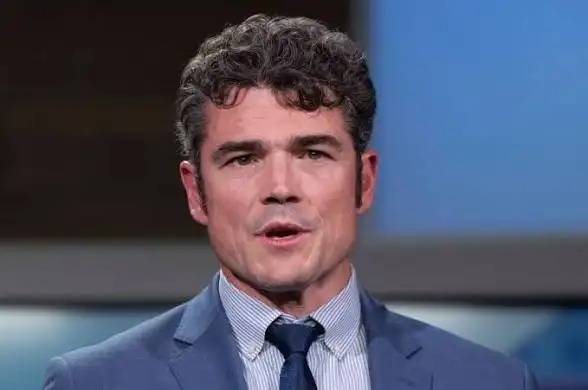
The director of the United States National Counterterrorism Center has resigned, citing deep concerns over the country’s ongoing involvement in the escalating conflict with Iran. The unexpected departure has drawn significant attention in Washington, where officials and analysts are assessing the implications for national security strategy. The resignation comes at a time of heightened tension, with policymakers facing complex decisions about military engagement and regional priorities.
According to sources familiar with the matter, the outgoing director expressed disagreement with aspects of the administration’s approach to the conflict, particularly regarding its potential long term consequences. While official statements have been limited, reports indicate that the decision was driven by a combination of policy differences and concerns about the broader direction of counterterrorism efforts. The move has raised questions about internal divisions within the national security elishment.
The National Counterterrorism Center plays a critical role in coordinating intelligence and analyzing threats related to extremist activity, both domestically and internationally. Leadership ces at such a high level can influence operational continuity and strategic planning, especially during periods of geopolitical tension. Officials have sought to reassure the public that the agency’s work will continue without disruption, with interim leadership expected to maintain ility in the short term.
Political reactions to the resignation have been swift, with lawmakers from both major parties calling for greater transparency بشأن the circumstances surrounding the decision. Some have framed the development as evidence of broader disagreements within the administration, while others have emphasized the importance of maintaining a unified approach to national security. The situation is likely to be a topic of discussion in upcoming congressional briefings and oversight sessions.
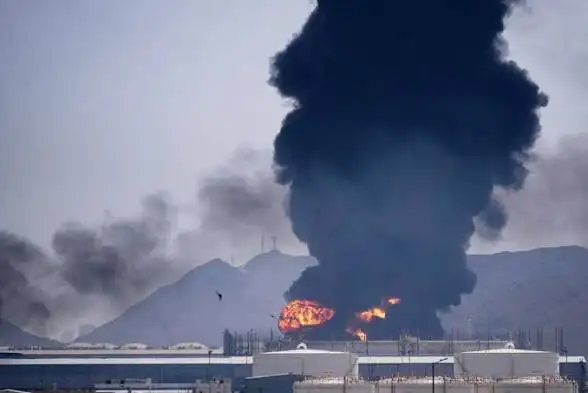
As the conflict with Iran continues to evolve, the departure of a key intelligence leader adds another layer of complexity to an already challenging environment. Observers note that leadership transitions during times of crisis can have far reaching implications, shaping both immediate responses and long term strategy. The focus now shifts to how the administration will address the vacancy and whether the resignation signals deeper shifts in policy or direction.









Leave a comment