
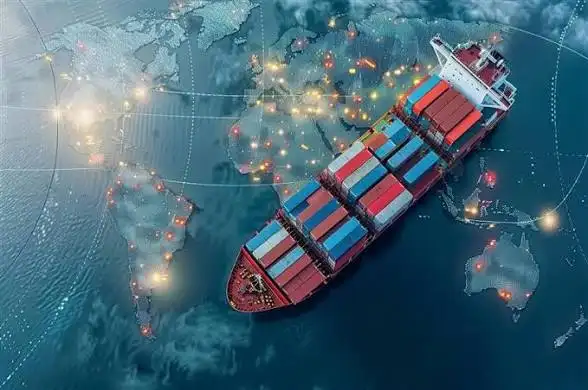
Global logistics companies are rapidly redesigning transport networks as escalating regional tensions disrupt elished freight corridors across the Middle East. Major operators say the need to maintain delivery reliability has forced swift adjustments to air, sea, and land routes that normally pass through high risk areas. These ces are affecting cargo schedules worldwide, adding transit time and increasing operational costs for industries dependent on predictable supply chains.
Freight forwarders report that vessels are being redirected along longer maritime paths to bypass sensitive waterways, while airlines are modifying flight paths to avoid restricted airspace. Overland trucking routes are also being reconsidered where cross border access has become uncertain. Each diversion requires complex coordination among carriers, port authorities, customs agencies, and insurers to ensure compliance and safety. The result is a patchwork of alternative corridors that vary in capacity and efficiency.
The strain is particularly visible in time sensitive sectors such as pharmaceuticals, electronics, and food distribution. Temperature controlled shipments face higher risks when journeys are extended, requiring additional monitoring and backup systems. Manufacturers operating on lean inventory models are encountering delays that disrupt production timelines and contractual delivery commitments. Logistics managers say contingency planning that once covered isolated disruptions is now being applied across entire regional networks.
Industry associations note that prolonged rerouting could reshape global freight patterns if inility persists. Some shipping alliances are evaluating semi permanent adjustments that reduce exposure to volatile transit zones, even if those paths are less direct. Port operators outside the region are also preparing for traffic surges as trade flows redistribute. Insurance providers are revising risk assessments, which may further influence route selection and freight pricing in the months ahead.
Executives across the sector emphasize the importance of coordinated international efforts to keep trade moving safely. Clear guidance from governments and multilateral bos can help reduce uncertainty and prevent bottlenecks at alternative gateways. While companies have demonstrated flexibility under pressure, leaders warn that sustained disruption raises costs for businesses and consumers alike. The evolving logistics response illustrates how regional security challenges can quickly cascade through global supply systems and reshape commercial planning.








Leave a comment