
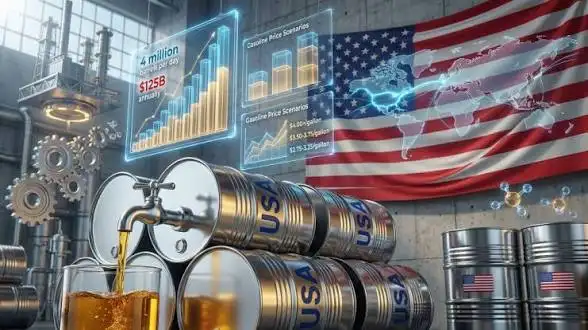
Governments across major economies are reassessing their crisis response options as the pool of measures used to soften the global oil supply shock grows increasingly limited. Energy ministries and finance officials are holding urgent consultations to evaluate what additional levers remain available to shield households and industries from escalating fuel costs. After weeks of market disruption and sustained price pressure, earlier interventions are showing signs of fatigue, prompting concerns about the durability of existing support frameworks.
Initial responses focused on releasing strategic petroleum reserves, subsidizing fuel purchases, and capping domestic pump prices to slow the pass through of global market turbulence. While these actions offered temporary relief, officials now acknowledge that reserve drawdowns cannot continue indefinitely without exposing countries to future supply risks. In several nations, fiscal space has also narrowed as subsidy programs strain public budgets already stretched by inflation control efforts and social spending commitments.
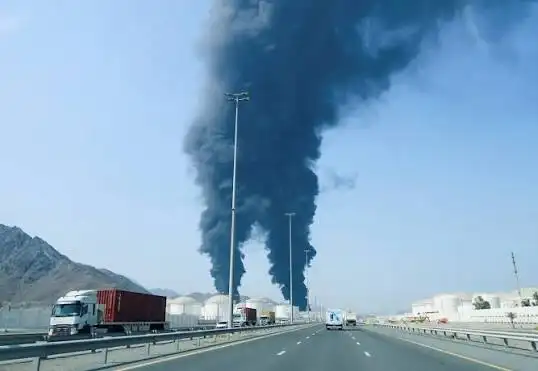
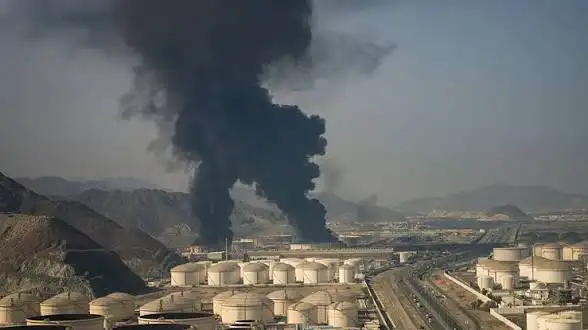
Energy analysts say the present dilemma reflects the scale and persistence of the disruption affecting crude supply routes and export capacity. With maritime transit constrained and production in key regions curtailed, replacement barrels have proven difficult to secure quickly. This has tightened inventories worldwide and amplified competition among importing nations. Governments that once relied on diversified sourcing are now contending with synchronized shortages that limit the effectiveness of traditional market balancing strategies.
Policy makers are therefore examining a broader set of contingency measures that extend beyond fuel market interventions. Discussions include temporary tax adjustments, targeted income support for vulnerable households, incentives for reduced energy consumption, and accelerated deployment of alternative power sources. Some administrations are also coordinating with central banks to assess inflation management tools that can prevent energy driven price rises from spreading across the wider economy. However, officials caution that such steps carry trade offs and may require delicate political negotiation.
Business leaders and consumer groups are urging authorities to communicate clearly about the path ahead, warning that uncertainty itself can weigh on investment and spending decisions. Transport, manufacturing, and food supply chains remain particularly exposed to volatile fuel costs, increasing the urgency for credible policy signals. As governments refine their options, the focus is shifting from short lived relief toward measures that enhance resilience and demand efficiency. The coming period is likely to test how effectively public institutions can balance fiscal discipline, energy security, and economic continuity under sustained external pressure.








Leave a comment