
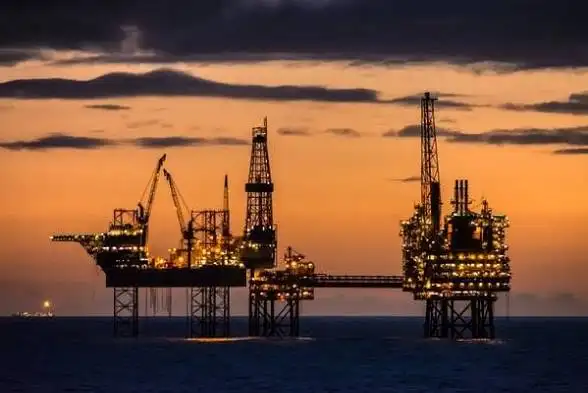
Several major export streams from the United Arab Emirates have come to a halt after offshore oil production facilities were forced offline amid ongoing disruptions in Gulf shipping routes. Energy companies operating in the region say production adjustments became necessary as storage facilities reached capacity and tanker traffic through the Strait of Hormuz remained severely restricted. The shutdown of key offshore output points has added further strain to global energy markets already facing reduced supply from the region.
Industry officials report that offshore platforms typically supply a large share of the country’s crude exports. These installations pump oil directly from subsea reservoirs and transfer it to coastal terminals where it is loaded onto tankers bound for international buyers. With maritime transport interrupted, companies have limited options for moving large volumes of crude oil, leading operators to suspend production at some fields to prevent logistical bottlenecks and technical risks within the production system.
Energy analysts note that offshore production systems require careful management when operations are reduced or paused. Facilities are designed for continuous output, and sudden interruptions can create technical challenges for engineers working to maintain safe operating conditions. Operators must balance the need to protect infrastructure with the economic impact of lost production. In the current situation, industry experts say the decision to halt some output reflects the practical limits of storing and transporting crude during an extended maritime disruption.
The halt in export streams also has implications for international oil buyers who depend on supplies from the Gulf region. Refiners in Asia and Europe often rely on shipments from Emirati fields to meet demand for fuels and petrochemical products. When those cargoes fail to arrive, companies must seek alternative suppliers or reduce refinery activity. This ripple effect illustrates how disruptions in a single production region can influence energy markets across the global economy.
Government officials and energy companies are closely monitoring the situation while evaluating ways to restore normal operations. Diplomatic efforts aimed at securing safe maritime passage through the Gulf remain ongoing as regional tensions continue. Until shipping lanes reopen and tanker movement resumes at normal levels, analysts say offshore production across the UAE may continue operating at reduced capacity as companies attempt to manage the challenges created by the ongoing disruption.




Leave a comment