
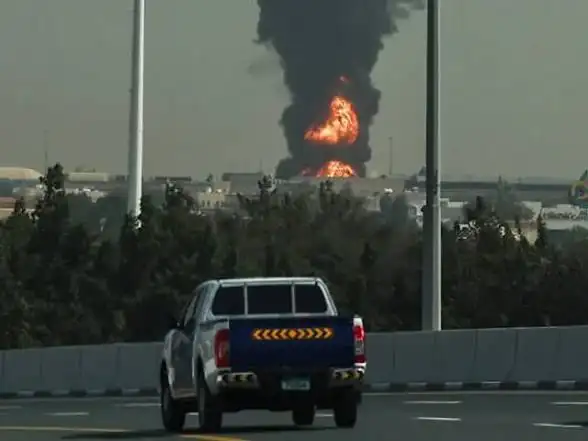
Military analysts across several international research institutions are warning that the ongoing war involving Iran could widen significantly if shipping lanes in the Gulf remain closed for an extended period. The disruption of maritime traffic through the strategic Strait of Hormuz has already strained global supply chains and increased tensions among major powers. Experts say the continued blockage of this critical waterway risks drawing additional nations into the conflict as governments move to protect economic interests tied to energy shipments and maritime commerce.
Security specialists note that the waterway is one of the most important routes for the global energy trade. A substantial share of the world’s oil exports travels through the narrow channel linking the Persian Gulf to international shipping lanes. When tanker traffic declines or halts completely, energy markets respond rapidly and governments face pressure to ensure safe navigation. Analysts believe that if the situation persists, several naval powers may feel compelled to increase their presence in the surrounding waters to deter further disruption to commercial vessels.
Strategic think tanks in Washington, London, and several Asian capitals have published assessments suggesting that prolonged shipping disruption could trigger a broader regional security response. Some reports indicate that multinational naval patrols could expand across the Gulf region if the current crisis intensifies. The possibility of coordinated maritime protection operations has already been discussed among several governments, though analysts caution that such deployments could further complicate the already fragile security environment in the region.
Economic concerns are also shaping the military assessments being released by policy institutes. A prolonged shutdown of shipping routes would likely place severe strain on energy importing nations that depend on Gulf oil supplies. Rising fuel costs could lead to inflationary pressure in many economies while increasing political pressure on governments to secure le energy flows. Analysts say that this economic dimension raises the likelihood that more countries could become involved diplomatically or militarily in attempts to restore normal maritime operations.
Despite the risks of escalation, some experts believe diplomatic negotiations could still ease tensions if international mediators manage to elish a temporary arrangement for shipping security. Such agreements might involve neutral monitoring of maritime routes or coordinated de escalation measures between opposing forces. However many analysts warn that time is a critical factor and that continued disruption around the Strait of Hormuz could push the conflict toward a wider regional confrontation if shipping lanes remain closed.






Leave a comment