
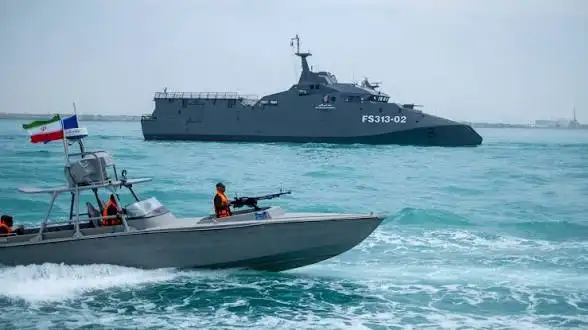
The United States government has called on international partners to increase their naval presence in the Strait of Hormuz as tensions across the Gulf region continue to disrupt maritime activity. Officials in Washington said that maintaining open shipping routes through the narrow waterway has become a priority for global economic security. The request comes as commercial shipping companies and energy traders grow increasingly concerned about the safety of vessels passing through one of the most strategically important maritime corridors in the world.
Diplomatic messages sent to allied governments outlined the need for coordinated patrol operations aimed at safeguarding commercial traffic moving through the strait. United States defense officials emphasized that the goal of the proposed maritime effort is to deter threats to civilian shipping and restore confidence among shipping companies that depend on the route. The waterway carries a large share of global energy supplies, making uninterrupted transit essential for international markets and industrial supply chains.
Several naval powers have already discussed the possibility of expanding their presence in the Gulf region through multinational cooperation. Military planners believe that joint patrols and information sharing between naval forces could reduce risks to cargo vessels navigating the strait. The United States has indicated that a coalition approach would distribute operational responsibilities among participating countries while reinforcing the principle of free navigation in international waters.
Energy analysts warn that prolonged disruptions in the Strait of Hormuz could have far reaching consequences for global oil markets. Tankers transporting crude oil and refined products typically rely on the waterway to connect producers in the Gulf with customers across Asia, Europe, and other regions. Any significant interruption to this flow could lead to tighter energy supplies and heightened volatility in fuel prices worldwide, affecting both developed and emerging economies.
International observers note that the call for additional naval forces reflects the growing importance of maritime security during periods of geopolitical tension. Governments around the world are closely monitoring developments in the Gulf as policymakers weigh the balance between diplomatic engagement and protective military measures. The outcome of these discussions may shape the future of international cooperation aimed at preserving the safety of major global shipping routes.







Leave a comment