
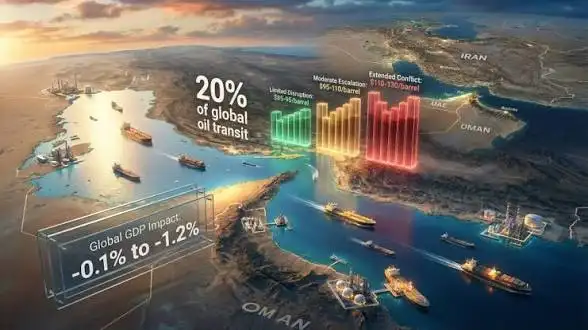
Global financial markets have shown heightened volatility as concerns grow over the vulnerability of energy infrastructure in the Middle East during the ongoing regional confrontation involving Iran and its adversaries. Investors across major stock and commodity exces are closely monitoring developments that could influence the production, transport, and pricing of oil and natural gas. The situation has introduced a new level of uncertainty into global markets as analysts attempt to measure the potential economic consequences of continued tension in one of the world’s most important energy producing regions.
Energy infrastructure across the Gulf region plays a central role in maintaining the steady flow of oil to international markets. Refineries, export terminals, pipelines, and storage facilities form a complex network that supports the global supply chain. When concerns emerge about the safety of these installations, traders and financial institutions often respond quickly, adjusting investment positions to reflect possible risks to supply. Market observers say this reaction can lead to rapid shifts in commodity prices and influence broader financial trends.
Particular attention has focused on shipping routes connected to the Strait of Hormuz, a narrow passage that handles a significant share of global oil exports. The corridor links producers in the Persian Gulf to customers in Asia, Europe, and other parts of the world. Any threat to the safe movement of tankers in the waterway tends to create ripple effects throughout the energy sector, influencing everything from fuel costs to shipping insurance rates.
Financial analysts note that the reaction in global markets is also shaped by expectations about how governments may respond. Policy makers in several major economies have begun consultations regarding emergency energy planning and potential cooperation with oil producing countries. Investors often watch these discussions closely because government intervention, such as releasing strategic reserves or adjusting energy policies, can influence market confidence and help ilize prices during periods of tension.
Despite the volatility, some economists believe that the global energy system retains enough flexibility to manage short term disruptions if they occur. Production capacity in multiple regions and existing stockpiles of petroleum products provide a degree of resilience in the face of geopolitical risk. However, experts caution that prolonged tension affecting energy infrastructure could still create broader economic consequences. For now, global markets remain focused on the evolving situation and the possibility that further developments in the Middle East could shape financial conditions worldwide.









Leave a comment