
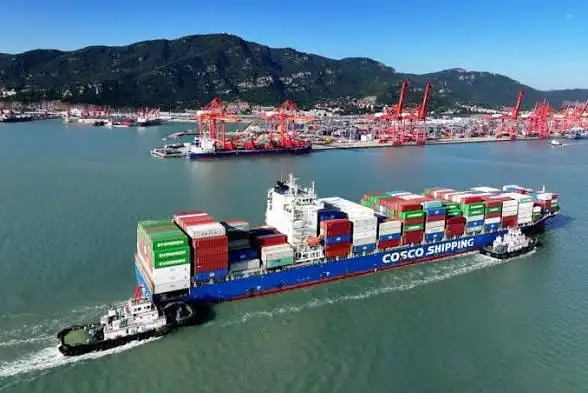
Major shipping companies have begun suspending certain routes through the Persian Gulf as security concerns grow in connection with the expanding regional confrontation involving Iran and several of its adversaries. The decision reflects increasing caution within the global maritime industry as operators evaluate the potential risks to vessels, crews, and cargo traveling through one of the world’s most strategically important waterways. Industry leaders say the ces are temporary but necessary while the security environment remains uncertain.
The Persian Gulf serves as a central corridor for the movement of oil, liquefied natural gas, and a wide range of commercial goods destined for markets across Asia, Europe, and beyond. When security conditions deteriorate in the region, shipping companies often reassess operational plans in order to protect vessels and personnel. In the current situation, several operators have opted to delay voyages, alter travel schedules, or temporarily withdraw ships from routes that pass through areas perceived as high risk.
Maritime insurers have also played a significant role in shaping these decisions. Insurance providers frequently adjust risk assessments when geopolitical tensions increase, and higher premiums can make certain routes less economically viable for shipping companies. Some insurers have reportedly introduced additional requirements for vessels entering the region, including enhanced security measures and more detailed reporting on voyage plans. These developments have added further pressure on shipping firms already navigating an unpredictable operating environment.
Governments with significant maritime trade interests are closely monitoring the situation and working with naval forces to maintain safe passage through regional waters. Several countries have expanded naval patrols and surveillance operations designed to deter threats to commercial vessels. Maritime security specialists emphasize that cooperation between naval forces and the commercial shipping sector will be essential for restoring confidence in the safety of critical trade routes.
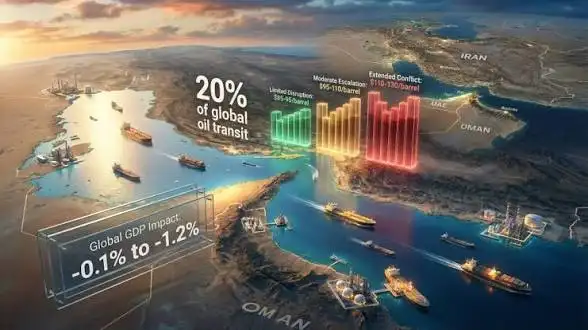
Industry analysts note that while route suspensions can disrupt supply chains, the global shipping system is often able to adapt through alternative logistics planning. However, extended restrictions in a region as vital as the Persian Gulf could place strain on energy deliveries and international commerce. As diplomatic efforts continue and security conditions evolve, shipping companies are expected to review their route decisions regularly while prioritizing the safety of crews and cargo operating in the region.









Leave a comment