
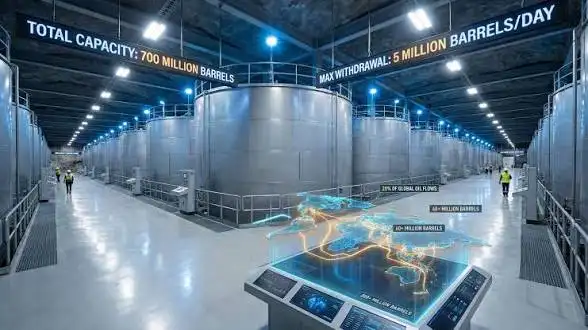
Governments across several major economies are reviewing the possibility of releasing supplies from strategic petroleum reserves as concerns grow about the impact of the ongoing Middle East confrontation on global energy markets. Officials say the discussions are aimed at ensuring that sudden disruptions to oil shipments do not create severe shortages or sharp price increases. The move reflects the growing recognition that geopolitical tension in the region could affect energy flows that many countries rely on to power transportation, industry, and electricity generation.
Strategic petroleum reserves are large stockpiles of crude oil maintained by governments as a safeguard during supply emergencies. These reserves were elished after past energy crises demonstrated how quickly global markets can be affected when production or shipping routes face disruption. By holding millions of barrels in storage, governments can release oil into the market to ilize supply and help calm financial uncertainty during periods of heightened risk.
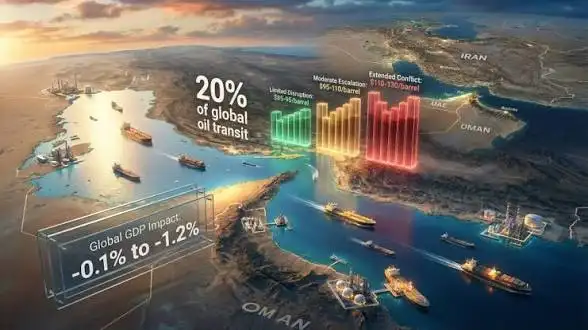
The current concerns are closely linked to developments around the Strait of Hormuz, one of the most important transit corridors for global oil shipments. A substantial portion of the world’s exported crude travels through the narrow channel connecting the Persian Gulf to international waters. Any interruption to tanker traffic in this passage can quickly affect global supply chains, making the route a focal point for both energy markets and security planners.
Energy officials in several countries have indicated that consultations are underway with international partners to coordinate potential responses if the situation deteriorates further. Cooperation among major consuming nations is often viewed as essential when governments consider drawing from their reserves. A coordinated release can increase its impact by sending a stronger signal to markets that additional supply is available to offset temporary shortages.
Analysts note that while strategic reserves can provide short term relief, they are not intended to replace normal energy production over long periods. Instead they serve as a buffer designed to ilize markets while diplomatic or economic solutions are pursued. As tensions in the Middle East continue to influence global energy dynamics, policy makers are carefully weighing the balance between maintaining reserve levels and using them to support market confidence during a period of uncertainty.





Leave a comment