
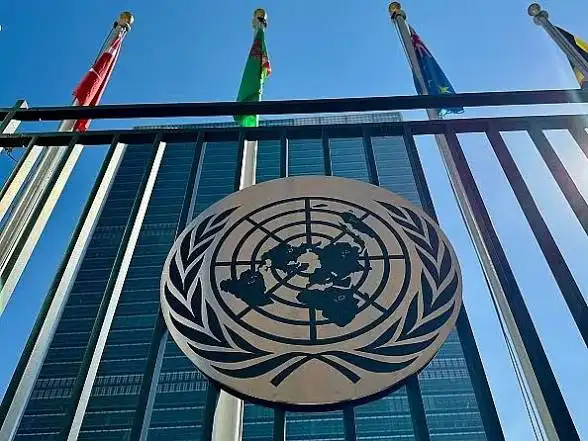
United Nations humanitarian officials say growing disruptions to maritime transport in the Persian Gulf are beginning to delay deliveries of critical food and medical supplies destined for vulnerable communities. Aid agencies that depend on commercial shipping routes are reporting logistical challenges as vessels adjust their operations due to rising regional tensions. The situation has raised concern within international relief networks that essential shipments could arrive later than planned, potentially affecting humanitarian programs that rely on precise supply schedules.
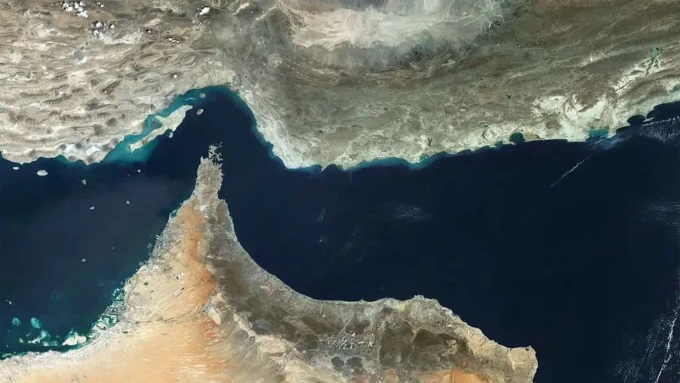
Many humanitarian organizations move large quantities of grain, nutritional supplements, vaccines, and medical equipment through major maritime corridors that connect the Middle East to global trade routes. When shipping lanes face uncertainty, the impact can ripple across international relief systems. Cargo that normally moves through the Strait of Hormuz toward ports in several regions may require alternative routing or additional security planning. These ces can slow the pace of delivery and complicate coordination between suppliers, transport providers, and field operations.
United Nations coordinators responsible for humanitarian logistics say the delays are particularly concerning for regions already experiencing food shortages or strained health services. Relief programs often depend on steady cargo arrivals to maintain distribution networks that support hospitals, refugee settlements, and food assistance initiatives. When shipments arrive later than expected, local aid teams must adjust inventories and ration supplies while waiting for additional deliveries to reach port facilities.
The situation has prompted humanitarian officials to call for international cooperation to maintain safe and reliable maritime access for relief shipments. Diplomatic engagement with governments and maritime authorities has focused on ensuring that vessels carrying humanitarian cargo can move through key shipping corridors without unnecessary obstacles. Aid agencies stress that protecting these transport routes is essential for sustaining humanitarian work that supports millions of people worldwide.
While global relief organizations continue to adapt their logistics planning, United Nations leaders say the broader goal is to prevent further disruption to life sustaining supply chains. Maintaining consistent delivery of food and medicine remains a central priority as the international community monitors the evolving security situation in the Gulf region. Humanitarian officials emphasize that reliable maritime transport plays a crucial role in protecting vulnerable populations during times of heightened global tension.




Leave a comment