
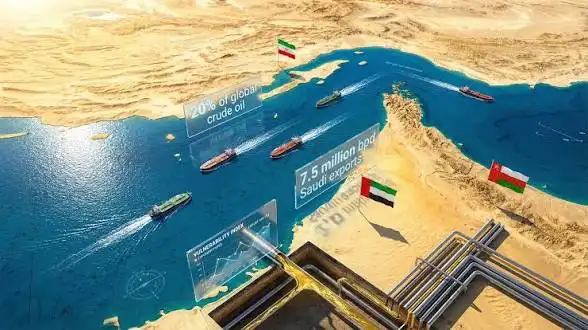
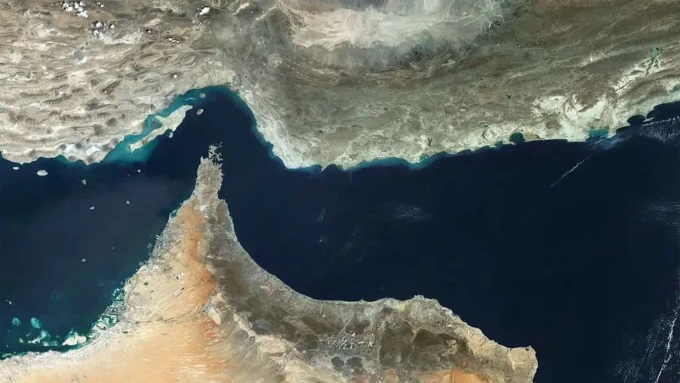
Major international shipping companies are adjusting their routes as concerns grow over maritime security near the Strait of Hormuz. The narrow waterway, which links the Persian Gulf with global sea lanes, carries a large share of the world’s oil shipments. As tensions deepen across the region, several large tanker operators have begun steering vessels away from the area in an effort to protect crews, cargo, and ships from potential incidents. The decision reflects mounting caution within the shipping sector as the regional conflict continues to influence commercial navigation.
Shipping executives say the move is largely precautionary but necessary given the uncertain security environment in nearby waters. Some tanker operators have instructed vessels to wait outside the Gulf until further guidance is issued, while others are diverting shipments toward alternative loading points when possible. These ces have forced companies to reassess schedules, fuel consumption, and insurance costs. Maritime traffic monitoring services indicate that several tankers scheduled to transit the Strait have either slowed their approach or altered their course entirely.
The rerouting of vessels carries significant implications for global energy logistics. Longer routes increase travel times and shipping costs, which may ultimately influence oil prices and supply chains worldwide. Analysts say the Strait of Hormuz remains one of the most critical maritime chokepoints for energy transport. Any sustained disruption to normal traffic patterns could ripple through international markets, affecting both producers and consumers across multiple continents.
Industry groups representing shipowners and maritime insurers are closely monitoring developments as companies weigh operational risks against the need to maintain steady energy flows. Insurance premiums for vessels operating in high risk areas have already begun to climb as underwriters respond to the shifting security outlook. Some governments have also issued advisories to national shipping fleets urging heightened vigilance while operating near the Gulf and surrounding waters.
While rerouting offers a temporary solution, experts note that the global shipping industry cannot easily avoid the Strait of Hormuz for long periods. The channel remains one of the most efficient pathways for moving large volumes of oil from Middle Eastern producers to international markets. Until tensions ease and maritime security concerns diminish, shipping firms are expected to continue adapting routes and operational strategies in response to the evolving regional situation.










Leave a comment