
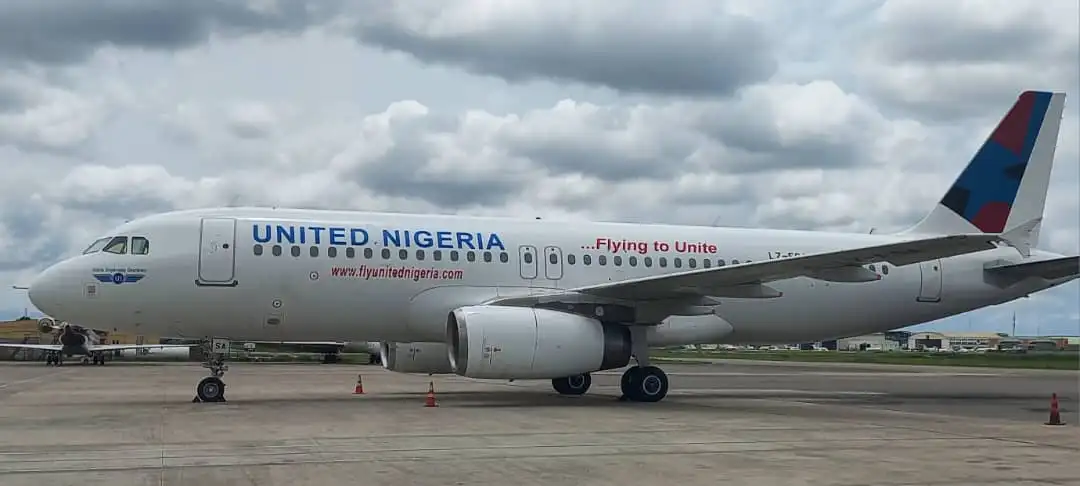
The Airline Operators of Nigeria has raised alarm over the sharp increase in the price of Jet A1, commonly known as aviation fuel, warning that domestic airlines are currently facing serious financial pressure.
According to the association, the cost of aviation fuel has surged dramatically within a short period. The product, which sold for around N1,000 per litre about two weeks ago, has now risen to approximately N1,800 per litre in several locations across the country. This represents an increase of nearly 80 percent and has significantly affected airline operations.
Aviation fuel remains the largest operational expense for airlines, accounting for roughly 30 to 35 percent of total running costs. The recent spike in prices has been linked to tensions and conflicts in the Middle East, which have affected global energy markets and pushed up the cost of refined petroleum products.
Spokesperson for the Airline Operators of Nigeria, Obiora Okonkwo, said the sudden rise in fuel prices has placed domestic carriers under immense financial strain. He explained that most airlines have not immediately transferred the additional cost to passengers despite the financial burden.
Okonkwo, who is also the chairman of United Nigeria Airlines, made the remarks during an interview on Channels Television. He said airlines are currently absorbing the losses in order to avoid increasing ticket prices at a time when many Nigerians are already struggling with economic challenges.
He noted that two weeks ago aviation fuel sold for around N1,000 per litre, but the price has now climbed to about N1,800 per litre and even higher in some locations. According to him, this represents a massive spike that is difficult for airlines to sustain.
Okonkwo explained that airlines are currently selling tickets at prices that are not profitable as they attempt to cushion the effect on passengers. However, he warned that the situation cannot continue indefinitely if fuel prices remain high.
He said domestic carriers are closely monitoring developments in the Gulf region because geopolitical tensions in that area have a direct impact on global fuel prices.
While expressing hope that the situation will improve soon, Okonkwo cautioned that if the increase persists, many airlines may be forced to adjust ticket prices in order to remain financially viable.
He also suggested that government intervention may help ilise the situation. According to him, the recent release of reserve crude oil into the market could help moderate fuel prices. However, he added that authorities may also need to engage local refining companies such as Dangote Refinery to find a more sustainable solution.
Okonkwo noted that the aviation industry faced an even more difficult situation two years ago when Nigeria had no functional refinery capable of supporting domestic fuel supply. With new refining capacity now available in the country, he expressed optimism that a workable solution could be found.
He warned that if the situation continues for an extended period, some airlines may not be able to absorb the financial losses associated with the fuel price surge.
Okonkwo also addressed the recent action by the Federal Competition and Consumer Protection Commission, which sanctioned several airlines over alleged price fixing. He maintained that the aviation sector in Nigeria is deregulated and denied claims that airlines colluded to fix ticket prices.
According to him, airlines operate independently and set their fares based on their individual operational costs, which vary depending on factors such as aircraft type and maintenance requirements.
He stressed that airlines must always demonstrate financial viability to aviation regulators in order to retain their operating licences, which means they must operate profitably.
Okonkwo urged regulators to recognise the fragile nature of the aviation industry and avoid actions that could damage the reputation of airlines or create unnecessary tension between operators and passengers.










Leave a comment