
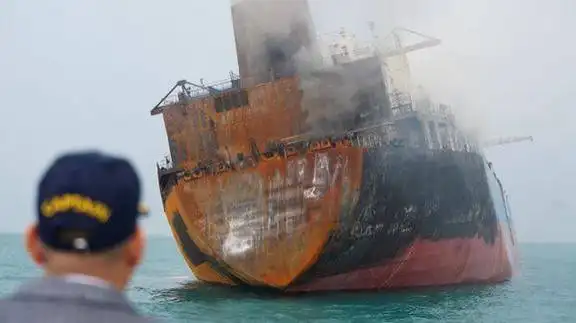
Rising tensions across the Middle East have begun to reshape global shipping lanes as Iranian forces move against commercial vessels operating near the Strait of Hormuz. Maritime security officials and regional authorities report that multiple merchant ships traveling through the strategic waterway experienced aggressive military encounters attributed to Iranian naval units. The incidents have intensified concerns about the safety of one of the world’s most important energy transit routes as the wider conflict involving Iran, the United States, and Israel continues to expand.
Shipping companies operating in the region describe a rapidly cing security environment where merchant captains must navigate through a corridor that has become increasingly dangerous. Several vessels reported being approached by fast moving patrol craft and unmanned systems believed to be operated by Iranian forces. While no confirmed large scale vessel losses have been reported, the disruption has already forced some international shipping companies to temporarily halt voyages through the area. Maritime insurers are also reassessing the risk level for vessels entering the Gulf region, a move that could further complicate global trade flows.
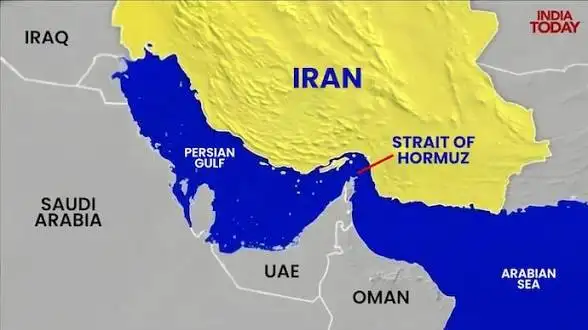
Security analysts say the Strait of Hormuz represents one of the most sensitive pressure points in the global energy system. A significant portion of the world’s oil supply moves through the narrow passage connecting the Persian Gulf to international markets. Any disruption to this route has immediate consequences for shipping schedules, insurance rates, and energy availability. Naval patrols from several nations have increased their presence in nearby waters, but commercial operators remain concerned that military confrontations could occur with little warning.
Governments across the world are closely monitoring the situation while urging restraint from all parties involved in the expanding regional conflict. Diplomatic officials warn that continued interference with commercial shipping risks drawing additional countries into the crisis. Several nations that rely heavily on Gulf energy exports have begun exploring contingency plans that include rerouting tankers and coordinating naval escorts for merchant vessels. However such measures may only partially reduce the growing level of uncertainty in the region.
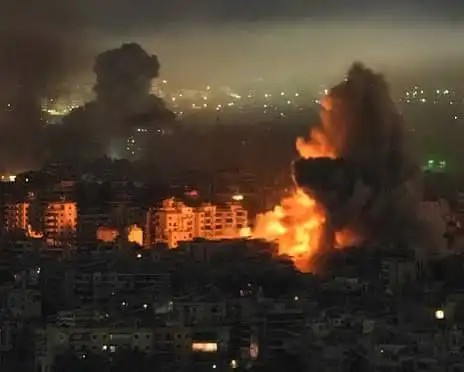
For global trade networks the developments near the Strait of Hormuz represent a major challenge. Energy companies, shipping operators, and government regulators are preparing for the possibility of prolonged disruptions. The corridor has long been viewed as a vital lifeline connecting Middle Eastern energy producers with global markets, and the emerging confrontations demonstrate how quickly geopolitical tensions can reshape that reality. As military operations continue across the region the safety of commercial navigation remains one of the most pressing concerns for the international community.








Leave a comment