
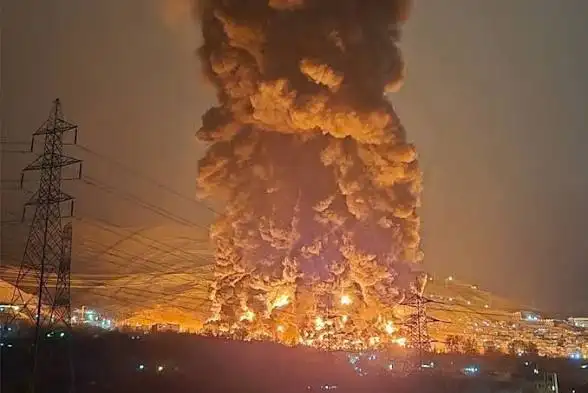
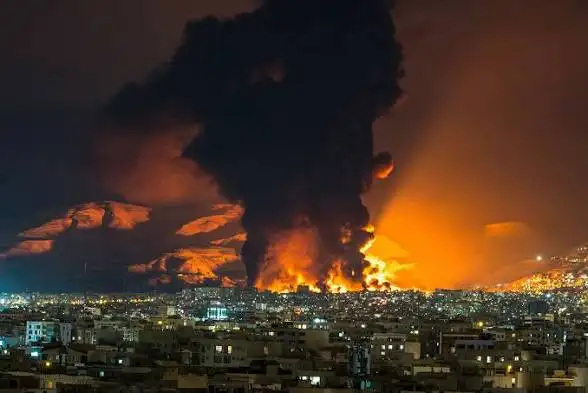
Scientists are warning that fires at damaged fuel facilities could create long term risks for soil and water resources in surrounding areas. Environmental researchers studying the aftermath of burning petroleum storage sites say chemical residue released during such incidents can seep into the ground and nearby waterways. The concern has prompted increased monitoring by environmental specialists who are examining how pollutants may spread beyond the immediate locations of the fires.
When petroleum products burn, they release a mixture of hydrocarbons and other chemical compounds that can settle on land and surface water. Experts explain that these substances may accumulate in soil layers, potentially affecting vegetation and agricultural land. If heavy rainfall occurs after such events, contaminants may also be carried into rivers or groundwater systems, increasing the possibility of wider environmental effects.
Researchers say contamination in soil can disrupt natural ecosystems by affecting microorganisms that play a role in maintaining soil health. Plants growing in affected areas may absorb pollutants through their roots, which can alter crop productivity and influence food safety in extreme cases. Environmental monitoring teams are therefore collecting soil samples around impacted sites to assess the scale of potential contamination.
Water quality is another major concern because pollutants entering rivers or reservoirs can affect both wildlife and human communities. Scientists note that petroleum related chemicals may persist in aquatic environments if they are not removed through cleanup operations. Environmental agencies are analyzing water samples in nearby areas to determine whether protective measures or remediation efforts will be necessary.
Authorities and environmental organizations say continued monitoring will be essential to understanding the full ecological impact of the fires. Early assessment allows experts to design cleanup strategies and limit the spread of pollutants before they cause lasting damage. As investigations continue, scientists emphasize the importance of addressing both immediate environmental hazards and the potential long term effects on natural resources.









Leave a comment