
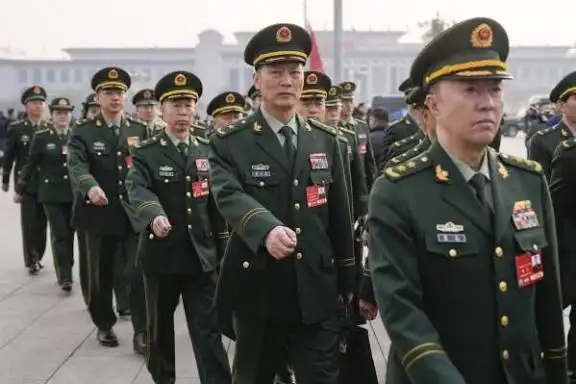
China has announced a seven percent increase in defense spending as national leaders continue to strengthen military capabilities amid shifting global security dynamics. The decision reflects Beijing’s broader strategy of modernizing its armed forces while responding to what officials describe as a more complex international environment.
Government representatives presented the defense budget increase as part of an effort to maintain national security and protect the country’s long term strategic interests. The additional funding will support modernization programs, advanced military technology development and improvements to operational readiness across multiple branches of the armed forces.
Chinese defense planners have consistently emphasized the importance of building a modern military capable of operating across land, sea, air and emerging technological domains. Over the past decade the country has invested heavily in expanding naval power, strengthening air capabilities and developing advanced systems designed to improve surveillance and command coordination. The latest budget increase is expected to continue that trajectory while supporting ongoing training and equipment upgrades.
Military analysts note that China’s armed forces have been undergoing a long term transformation aimed at shifting from a traditional land focused structure to a more balanced force with global operational capacity. This includes investments in modern aircraft, naval vessels, missile systems and cyber defense capabilities. Officials argue that these developments are necessary to safeguard national sovereignty and maintain regional ility.
The defense spending increase also reflects the growing importance of technology within modern military strategy. Chinese authorities have repeatedly emphasized the role of innovation in strengthening national defense. Research in areas such as artificial intelligence, advanced communications and autonomous systems is expected to receive continued attention as part of the broader modernization effort.
Regional security developments have also contributed to the decision to expand defense funding. Tensions in various parts of the Asia Pacific region, combined with broader geopolitical competition among major powers, have increased the focus on military preparedness. Chinese officials maintain that their defense policy remains primarily defensive in nature and aimed at protecting national interests rather than pursuing expansion.
International reactions to the announcement have been mixed. Some governments view the increase as a predictable step given China’s economic size and growing global influence. Others have expressed concern about the implications for regional military balance, particularly in areas where territorial disputes and strategic rivalries already exist.
Despite these concerns, Chinese leaders have emphasized that the country continues to support diplomatic engagement and peaceful development alongside military modernization. Officials argue that a capable defense structure contributes to ility by deterring conflict and protecting national security interests.
Economists also note that defense spending represents a relatively modest share of China’s overall economic output compared with some other major powers. Nevertheless, the scale of the Chinese economy means that even incremental increases translate into significant investment in military capabilities.
As global security conditions continue to evolve, the latest defense budget decision underscores China’s determination to strengthen its strategic position while adapting to a rapidly cing international landscape.












Leave a comment