
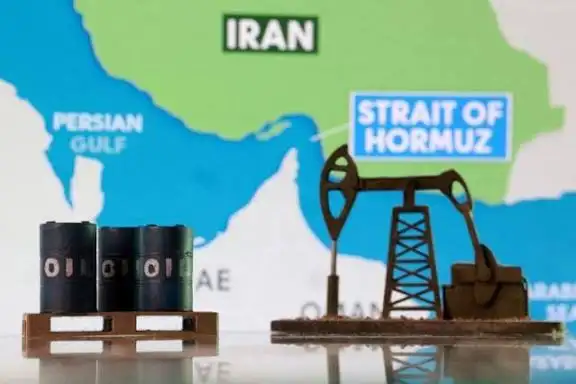
Global oil prices climbed significantly as escalating military tensions involving the United States, Israel and Iran intensified fears of disruptions to energy supplies from the Middle East. Brent crude recorded strong gains during early trading, while United States benchmark prices also advanced, reflecting growing concern among investors about inility in one of the world’s most important oil producing regions.
The increase follows continued military exces and retaliatory strikes linked to the widening conflict. Market participants are particularly focused on the Strait of Hormuz, a critical maritime chokepoint through which a substantial portion of global oil exports passes each day. Any threat to shipping activity in the corridor is viewed as a major risk to global supply chains, prompting traders to price in a higher geopolitical risk premium.
Shipping companies and insurers have already begun adjusting operations in response to heightened security threats. Reports indicate that insurance costs for tankers traveling through Gulf waters have surged, while some operators are reassessing routes or delaying shipments. Analysts warn that prolonged uncertainty could reduce available tanker capacity and increase transportation expenses, further pushing energy prices upward.
Energy markets are also reacting to reports of s near commercial infrastructure and ports across the region. Even isolated incidents have amplified fears that vital export facilities or storage terminals could become targets, a development that would significantly impact global energy flows. Governments in major importing nations are closely monitoring the situation and evaluating contingency plans, including potential releases from strategic petroleum reserves.
Financial markets worldwide have shown signs of strain as investors respond to the evolving crisis. Equity markets in several regions declined amid rising risk aversion, while safe haven assets gained attention. Economists caution that sustained increases in oil prices could complicate efforts by central banks to manage inflation, particularly in economies still recovering from recent economic shocks.
For developing economies heavily dependent on imported fuel, the price surge presents additional challenges, including pressure on national currencies and rising transportation costs. Experts note that higher energy prices often translate into increased costs for food production, manufacturing and logistics, creating ripple effects across global economies.
Despite the volatility, some analysts emphasize that markets remain highly sensitive to political developments. Any indication of diplomatic progress or de escalation could quickly reverse price gains, while further escalation may drive prices even higher. Traders are therefore watching both military developments and diplomatic signals closely.
As tensions continue, the trajectory of oil prices will depend largely on whether the conflict expands to directly affect production facilities or shipping routes. Until greater clarity emerges, energy markets are expected to remain volatile, underscoring the close connection between geopolitical ility and global economic conditions.











Leave a comment