
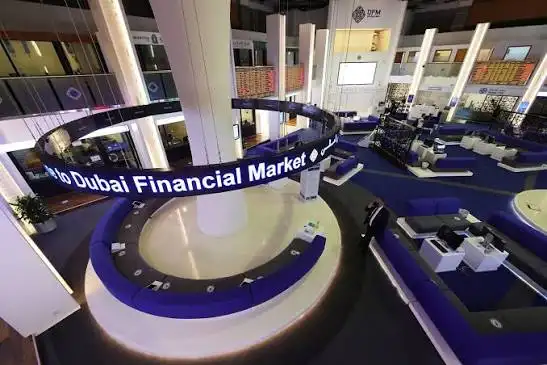
The government of the United Arab Emirates has ordered the temporary closure of its stock markets for two days following Iranian missile and drone strikes that heightened inility across the Gulf region. Officials said the precautionary measure was taken to preserve financial ility and allow authorities to assess the evolving security situation.
Regulators confirmed that trading on major exces in Abu Dhabi and Dubai would be suspended as a safeguard against excessive volatility. Market participants were informed that the pause was intended to protect investors and ensure orderly conditions once trading resumes. Authorities emphasized that the financial system remains fundamentally sound, with liquidity and banking operations continuing as normal.
The decision follows a series of regional developments linked to the escalating confrontation between Israel and Iran. While the Emirates was not the direct target of the reported strikes, officials cited the broader security environment and its potential impact on investor sentiment as justification for the move. Analysts noted that Gulf markets are particularly sensitive to geopolitical tensions given their exposure to energy exports and regional trade flows.
Oil prices have risen sharply in recent sessions, reflecting concerns about supply disruptions and transportation risks. The UAE, a major energy producer and export hub, plays a central role in global oil markets. Any perception of inility in the region can trigger swift reactions from international investors and financial institutions.
Government representatives sought to reassure both domestic and foreign stakeholders that essential services, including ports, airports and financial clearing systems, continue to operate without interruption. They added that security measures have been enhanced at critical infrastructure sites as a precaution.
Business leaders in Dubai and Abu Dhabi acknowledged the challenges posed by the current climate but expressed confidence in the resilience of the Emirates’ diversified economy. The country has invested heavily in strengthening regulatory frameworks and building financial buffers designed to withstand external shocks.
Regional observers say the market closure reflects a broader strategy among Gulf states to manage economic risks during periods of uncertainty. By temporarily halting trading, authorities aim to prevent speculative swings that could amplify market stress.
Officials indicated that further decisions would depend on developments in the coming days. For now, the suspension underscores the far reaching economic implications of the Middle East crisis, extending beyond the immediate theaters of conflict.








Leave a comment