
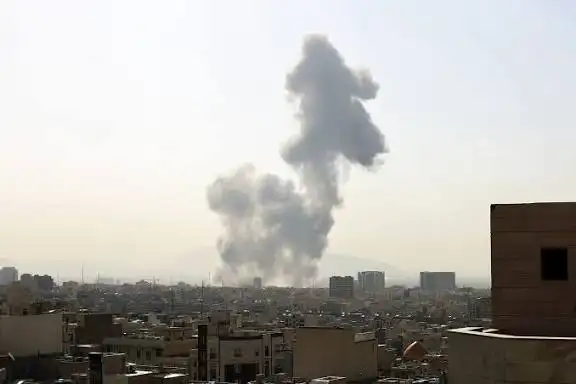
Israel has launched a new wave of air strikes targeting military infrastructure in Tehran and other strategic locations across Iran, marking a significant expansion of its ongoing campaign. The operations come as the United States signals that military engagement in the region could extend over a prolonged period.
Israeli defense officials confirmed that the latest strikes were aimed at facilities described as critical to Iran’s military coordination and weapons development capabilities. Among the reported targets were command centers, logistics hubs and installations linked to missile production. Officials stated that the strikes were carefully planned and based on intelligence assessments regarding Iran’s operational capacity.
Explosions were reported in several districts of Tehran, with local media acknowledging damage to certain government linked facilities. Iranian authorities said air defense systems were activated in response to incoming aircraft and projectiles. While officials have not provided a full casualty report, state media indicated that assessments of material damage were underway.
The escalation follows days of heightened rhetoric and military exces between the two sides. Israeli leaders have framed the campaign as a necessary response to what they describe as growing threats posed by Iran’s regional activities and strategic capabilities. They maintain that degrading Iran’s military infrastructure is essential to preventing further s against Israeli territory and interests.
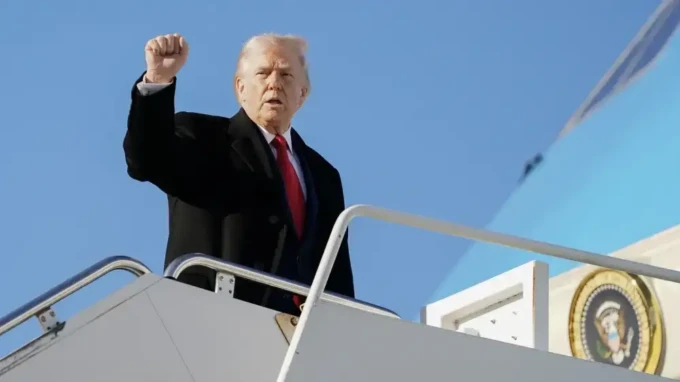
In Washington, senior officials signaled that the United States is preparing for a sustained phase of operations alongside its regional partner. Although specific timelines were not disclosed, remarks from defense authorities suggested planning for extended logistical support and force readiness. Officials emphasized that American involvement is aimed at deterring further escalation while safeguarding regional ility.
International reactions have been swift, with several governments urging restraint and renewed diplomatic engagement. Analysts warn that strikes reaching into the Iranian capital represent a significant development that could provoke broader retaliation. Concerns are mounting that continued military action may disrupt energy markets and global trade routes, particularly given Iran’s strategic geographic position.
Within Iran, public messaging has focused on resilience and national unity. Authorities vowed that the country would respond proportionately and defend its sovereignty. Meanwhile, regional observers are closely monitoring potential ripple effects across neighboring states, where allied groups and security forces remain on alert.
As air operations continue, uncertainty surrounds the trajectory of the conflict. Diplomatic channels remain open in some capitals, but immediate prospects for de escalation appear limited. The expanding scope of strikes underscores the fragile state of regional security and the potential for further confrontation in the days ahead.









Leave a comment