
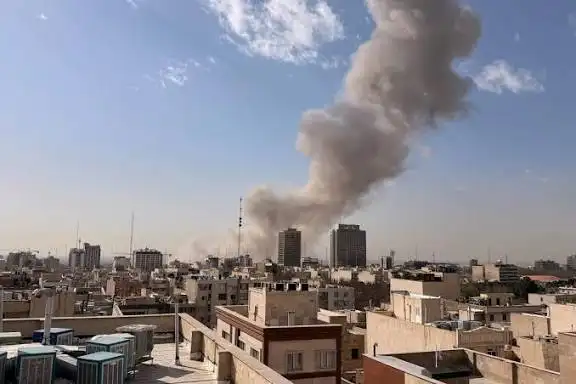
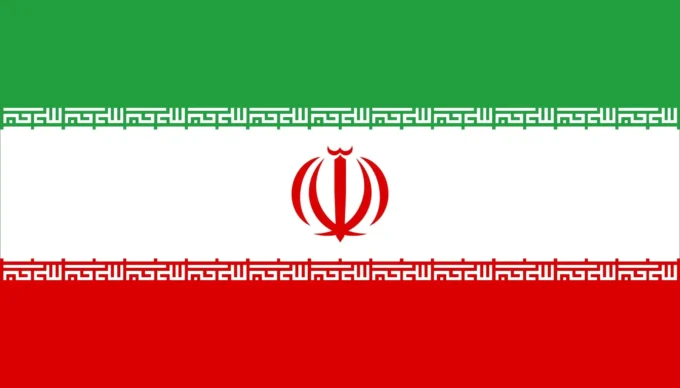
Israel launched a new wave of strikes against targets inside Iran hours after Iranian state media reported that Supreme Leader Ayatollah Ali Khamenei was ed in coordinated s involving the United States. The escalation signals a sharp intensification of hostilities and raises the prospect of a prolonged regional confrontation with unpredictable consequences.
The Israeli military said the latest operations were aimed at strategic military infrastructure, including missile facilities and command centers. Officials described the strikes as necessary to degrade Iran’s capacity to retaliate and to prevent what they characterized as imminent threats. While details of the targeted sites were limited, defense sources indicated that the campaign was broader in scope than previous exces between the two sides.
Iranian authorities condemned the renewed strikes, calling them acts of aggression that violated international law. Senior officials vowed a forceful response and declared that Israel would face consequences for what Tehran described as a direct on its sovereignty. State media reported heightened security measures across major cities and the mobilization of additional air defense assets.
The rapid succession of military actions underscores how quickly tensions have escalated. Analysts say the reported death of the Supreme Leader has created a volatile power vacuum that could influence both domestic ility and external military decision making. With the leadership structure under strain, the risk of miscalculation has grown significantly.
Regional governments are closely monitoring developments, particularly in the Gulf where energy infrastructure and shipping lanes remain vulnerable. Diplomatic channels have been active behind the scenes, with several countries urging restraint and calling for de escalation to prevent a broader war.
In Washington, President Donald Trump reiterated that the United States stands by its security commitments in the region and warned Tehran against expanding its response. At the same time, some lawmakers have questioned the legal framework surrounding the military action and called for congressional oversight.
International observers note that Israel’s decision to proceed with additional strikes reflects a calculation that sustained pressure may limit Iran’s ability to coordinate retaliation. However, the strategy carries significant risk, as continued exces could draw in allied groups and neighboring states.
Markets reacted nervously to the renewed hostilities, with investors watching closely for signs of disruption to oil supplies or regional trade routes. The coming days are expected to determine whether the confrontation ilizes or moves toward a more entrenched conflict.








Leave a comment