
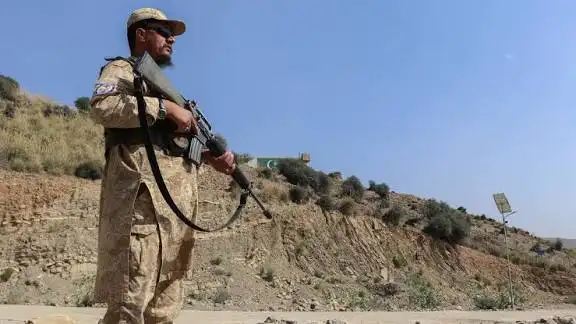
Pakistan has reaffirmed its position that no formal dialogue will take place with Afghanistan under current conditions, as cross border clashes continue to intensify along their shared frontier. Officials in Islamabad said the decision reflects growing security concerns and what they described as repeated violations of territorial sovereignty.
Military spokespersons stated that recent exces of fire occurred in sensitive border districts, resulting in casualties on both sides. While precise figures remain unconfirmed, authorities acknowledged that the confrontations have heightened tensions between the neighboring countries. Pakistani officials accused Afghan based militant groups of launching s from across the border, an allegation that Kabul has previously denied.
The security situation along the frontier has long been complex, shaped by historical disputes and the movement of armed groups. Since the return of the Taliban to power in Kabul, relations with Islamabad have experienced periods of strain. Pakistani leaders have called for stronger action against insurgent factions they claim operate from Afghan territory.
In response to the renewed violence, Pakistan’s defense elishment announced an increase in patrols and surveillance operations. Additional troops have reportedly been deployed to reinforce strategic checkpoints. Civil authorities in border provinces have issued advisories urging residents to avoid high risk areas.
Afghan officials have urged restraint and denied responsibility for any cross border aggression. They have called for mechanisms to prevent escalation and emphasized the need for ility in the region. However, diplomatic engagement remains limited amid hardened rhetoric.
Regional observers warn that sustained confrontation could undermine economic activity and humanitarian conditions in affected areas. Border crossings that facilitate trade and movement have faced intermittent closures, disrupting commerce and local livelihoods.
International stakeholders have expressed concern over the possibility of broader inility in South Asia. Analysts note that a prolonged breakdown in communication increases the risk of miscalculation, particularly in areas where armed units operate in close proximity.
Despite the firm no dialogue stance, experts suggest that back channel communication may still be active to manage immediate security risks. The trajectory of relations will likely depend on whether both sides can elish confidence building measures to prevent further clashes.










Leave a comment