
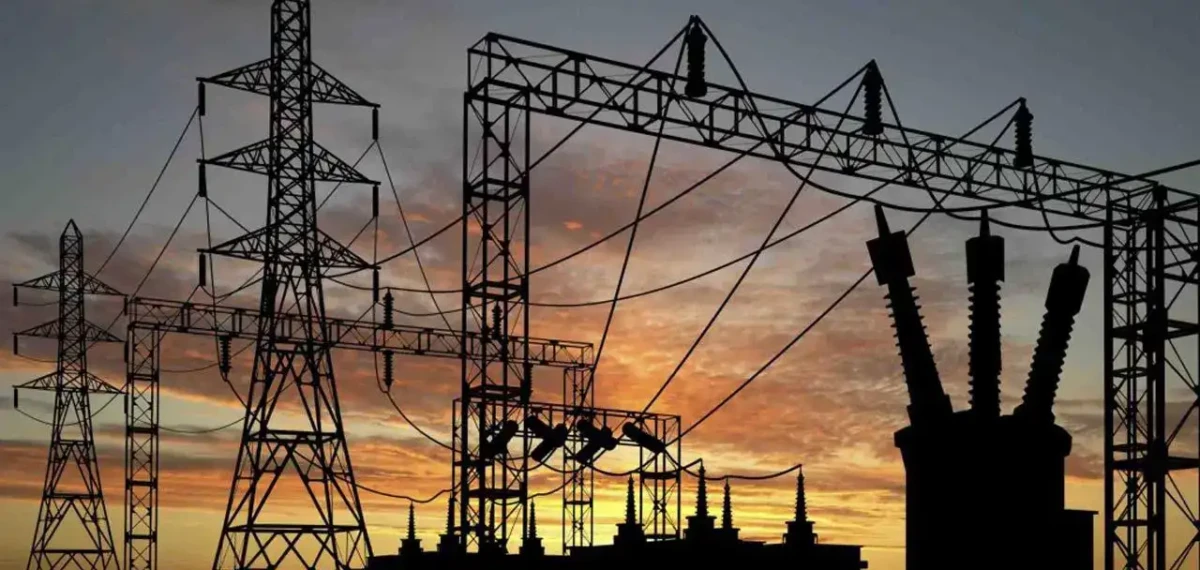
Nigeria’s worsening electricity crisis has been traced to inadequate gas supply to thermal power plants, according to the Nigerian Independent System Operator. The operator disclosed that the persistent drop in power generation across the country is largely driven by severe fuel constraints affecting the national grid.
In a statement released on its official X platform, NISO revealed that average available generation currently stands at about 4300 megawatts, a figure significantly below the nation’s installed capacity and far beneath estimated peak demand of over 20000 megawatts. This shortfall has resulted in widespread outages impacting households and businesses nationwide.
The crisis began in early February following scheduled maintenance on major gas infrastructure by the Nigerian National Petroleum Company Limited and Seplat Energy. The maintenance disrupted gas deliveries to several thermal plants, triggering a nationwide decline in electricity output. However, the situation has persisted due to ongoing supply constraints.
Thermal plants, which account for more than 70 percent of Nigeria electricity generation mix, require approximately 1629.75 million standard cubic feet of gas per day to operate optimally. As of February 23 2026, actual gas supply was about 692 million standard cubic feet per day, less than 43 percent of required volume. This deficit has forced the system operator to implement load shedding in line with allocation guidelines from the Nigerian Electricity Regulatory Commission to maintain grid ility.
Industry experts note that gas shortages are often linked to upstream production challenges, pipeline vandalism, legacy debts, and liquidity constraints within the power sector. Although reforms have strengthened grid oversight, electricity generation remains heavily dependent on consistent fuel supply.
Until le and commercially viable gas arrangements are secured, Nigerians may continue to face unreliable power supply and ongoing rationing.










Leave a comment