
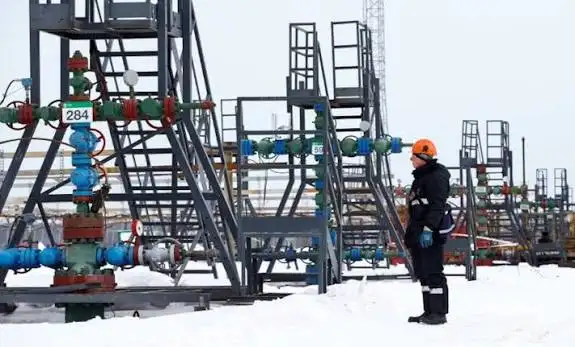
Russia energy export revenues have declined even as crude oil shipment volumes increased, according to a new analysis that underscores the continuing financial impact of Western sanctions and price caps imposed since the war in Ukraine began.
Data reviewed by independent energy analysts show that while Russian producers have succeeded in maintaining, and in some cases expanding, export volumes to markets in Asia and other regions, the average price received per barrel has dropped significantly compared with pre war levels. The combination of discounted sales and higher logistical costs has weighed heavily on overall state income.
Since the start of the conflict, the European Union and Group of Seven nations have implemented measures designed to curb Moscow revenue streams without deilizing global energy markets. These include restrictions on maritime insurance and a price cap mechanism intended to limit the revenue Russia can generate from oil exports. Although Russia has redirected flows to countries such as India and China, the discounts offered to secure buyers have narrowed profit margins.
Energy revenue is a cornerstone of the Russian federal budget, funding both domestic programs and military expenditures. Analysts say the fall in export earnings could complicate fiscal planning, particularly as the government faces rising defense spending and infrastructure costs. Officials in Moscow have previously argued that the country has adapted successfully to sanctions, citing resilient output levels and new trade partnerships.
The report also highlights the growing role of so called shadow fleets and alternative shipping arrangements, which have enabled Russian crude to continue reaching international markets. However, these ods often involve higher transaction and transport expenses, further reducing net returns.
Market observers note that global oil prices have remained volatile, influenced by geopolitical tensions, production decisions by OPEC members and shifting demand forecasts. For Russia, maintaining production volumes has helped preserve market share, but revenue trends suggest that volume alone cannot fully offset lower realized prices.
The longer term outlook will depend on global energy demand, the durability of sanctions regimes and the ability of Russia to diversify its economy beyond hydrocarbons. For now, the data indicate that despite steady export flows, financial pressure on the Kremlin persists.






Leave a comment