
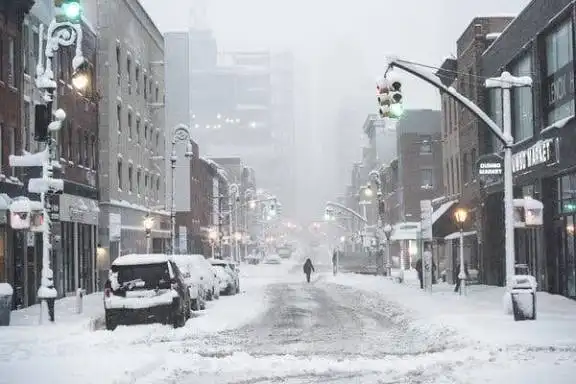
A powerful winter system known as Winter Storm Hernando has carved a path of destruction across the northeastern United States, delivering record snowfall and hurricane force wind gusts that have paralyzed transport networks and strained emergency services. Meteorologists described the February 2026 blizzard as one of the most intense cold season events in recent decades.
The storm intensified rapidly as it moved up the eastern seaboard, drawing moisture from the Atlantic and colliding with Arctic air masses. Major metropolitan areas including New York and Boston recorded snowfall totals well above seasonal averages, with some communities reporting drifts exceeding several feet.
Wind gusts surpassed previous February records in certain coastal areas, leading to widespread power outages. Utility providers worked continuously to restore electricity as fallen trees and downed transmission lines hampered repair efforts. Emergency shelters were opened to assist residents left without heating amid subzero temperatures.
Airports across the region cancelled thousands of flights, while rail and bus services were suspended or severely reduced. State authorities declared emergencies and deployed National Guard units to assist with snow removal and deliver essential supplies to isolated neighborhoods.
Meteorological agencies emphasized that the combination of heavy snow and sustained high winds significantly reduced visibility, creating dangerous travel conditions. Coastal flooding was also reported in low lying areas as strong onshore winds pushed water inland during high tide cycles.
Local governments urged residents to remain indoors and avoid non essential travel. Hospitals reported an increase in weather related injuries, particularly slips on icy surfaces and traffic accidents.
Climate experts noted that while individual storms cannot be solely attributed to broader environmental trends, extreme weather events have become more frequent and intense in recent years. Researchers are examining atmospheric patterns that contributed to the storm’s rapid development.
As cleanup operations continue, economic losses are expected to mount due to business closures and infrastructure damage. Authorities cautioned that melting snow followed by freezing temperatures could prolong hazardous conditions in the days ahead.












Leave a comment