

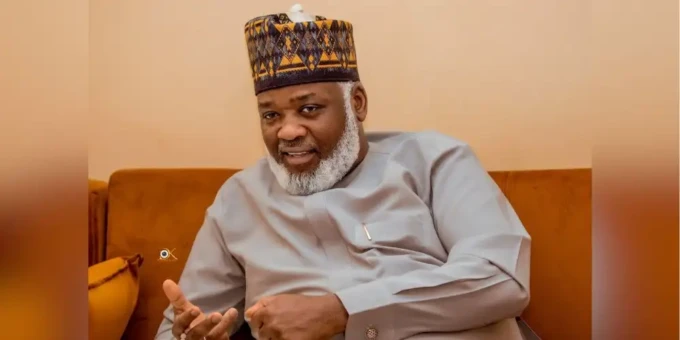
Nigeria’s Minister of Aviation and Aerospace Development, Festus Keyamo, has criticised opposition parties over their reaction to the outcome of the Federal Capital Territory area council elections, accusing them of attempting to discredit a credible electoral process.
In a statement shared on X, Keyamo dismissed allegations of widespread irregularities as exaggerated and unfounded. He argued that isolated incidents highlighted by opposition figures were insufficient to invalidate the overall conduct of the polls.
According to him, out of the 2,822 polling units across the FCT, only a handful were cited by critics as having corrected result sheets. He maintained that even if as many as 50 units had issues, the number would still be insignificant compared to the total, leaving more than 2,770 polling units unaffected.
Keyamo further accused opposition parties of using what he described as flawed logic to stir public discontent and create unnecessary alarm about the state of Nigeria’s democracy. He insisted that electoral outcomes should not be dismissed simply because they do not favour certain political interests.
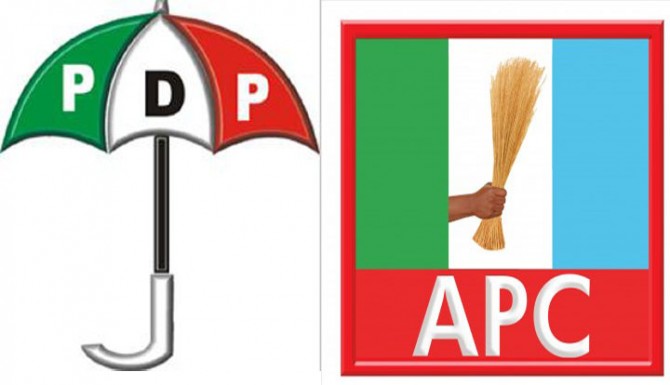
His remarks come amid objections raised by parties including the African Democratic Congress following the announcement of results by the Independent National Electoral Commission.
INEC declared Joshua Ishaku of the All Progressives Congress winner of the Bwari Area Council chairmanship election with 18,466 votes. Christopher Maikalangu of the APC was also returned elected in Abuja Municipal Area Council after securing 40,295 votes out of 62,861 valid votes cast.
In Gwagwalada Area Council, however, Mohammed Kasim of the Peoples Democratic Party defeated APC candidate Yahaya Shehu, polling 22,165 votes against 17,788.
The mixed results across the councils have fueled political debate, with parties offering differing interpretations of the credibility and implications of the elections.








Leave a comment