
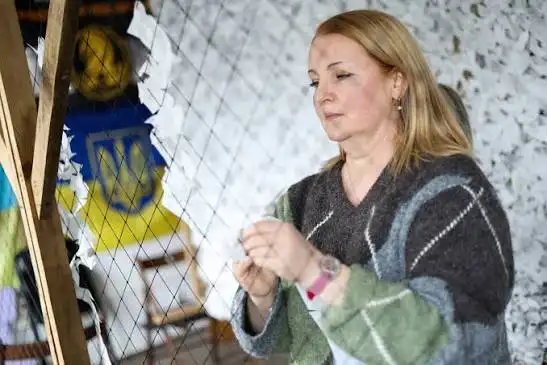
Four years after the outbreak of full scale war, millions of Ukrainians remain displaced across Europe, facing uncertainty over their legal status, employment prospects, and long term future. What began as an emergency humanitarian response has evolved into a complex social and political challenge for host countries and refugees alike.
The conflict, launched by Russian President Vladimir Putin, triggered the largest movement of people in Europe since World War II. Governments across the European Union rapidly introduced temporary protection measures, granting Ukrainians the right to reside, work, and access social services.
While these policies provided immediate relief, many displaced families now find themselves in prolonged limbo. Temporary protection frameworks were designed as short term solutions, yet the persistence of fighting has extended uncertainty. Refugees must navigate language barriers, housing shortages, and evolving regulations that vary between countries.
Host nations have grappled with balancing solidarity and domestic pressures. Public support for assisting Ukrainians remains strong in many areas, but economic strains and political debates have intensified as the war drags on.
For displaced individuals, the question of whether to integrate permanently or eventually return home remains unresolved. Some have secured employment and enrolled children in local schools, building new lives abroad. Others continue to view their stay as temporary, hoping for conditions that would allow safe return.
Human rights organizations warn that prolonged uncertainty can take a psychological toll, particularly on children and elderly refugees. Access to le housing and consistent legal protections are cited as critical needs.
As diplomatic efforts to end the conflict remain stalled, the humanitarian dimension persists. European policymakers are reviewing options to extend or adapt protection measures, mindful that the outcome will shape the continent’s demographic and social landscape for years to come.








Leave a comment