
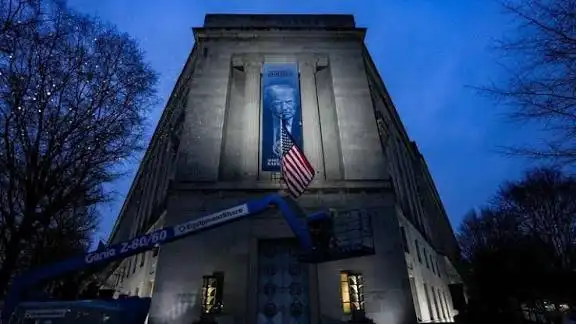
The United States Supreme Court has delivered a landmark decision on presidential tariff authority, reaffirming the judiciary’s role as a constitutional check on executive power and reshaping the national debate over trade policy. The ruling addressed the scope of emergency powers invoked to impose sweeping global tariffs, concluding that the executive branch had exceeded its statutory authority.
In its opinion, the Supreme Court of the United States emphasized that while the president retains significant discretion in matters of foreign commerce, that authority must remain grounded in clear legislative authorization. The justices found that the broad application of tariffs under emergency justifications did not align with the framework elished by Congress.
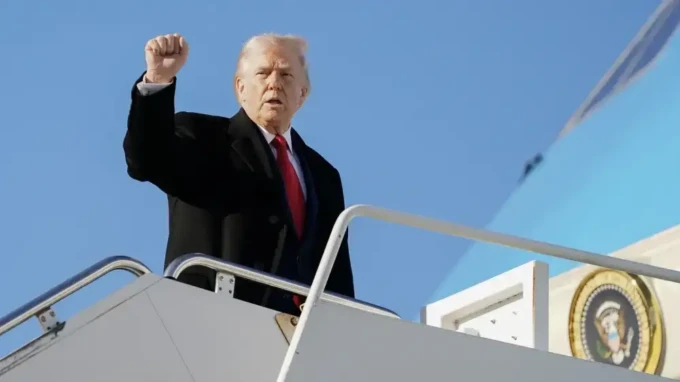
The case emerged after President Donald Trump introduced wide ranging tariff measures framed as necessary to protect national security and economic ility. Supporters argued that decisive action was required to address trade imbalances and shield domestic industries. Critics countered that the measures bypassed congressional oversight and risked deilizing global markets.
Legal scholars say the ruling underscores the enduring principle of separation of powers embedded in the Constitution. By narrowing the interpretation of executive authority, the court signaled that emergency provisions cannot serve as open ended tools for broad economic policy shifts without explicit statutory backing.
The decision is expected to reverberate through Washington as lawmakers reassess the balance between trade flexibility and institutional accountability. Some members of Congress have already indicated plans to clarify or amend trade statutes to prevent future ambiguities.
Beyond its immediate economic implications, the ruling carries symbolic weight. It reinforces the judiciary’s role in scrutinizing executive actions, particularly in areas where national security and economic interests intersect. Observers note that the judgment may influence future administrations, regardless of party, when considering unilateral trade measures.
Markets reacted cautiously as investors evaluated the potential policy recalibration. Analysts suggest that the longer term impact will depend on how the executive branch and Congress respond in the coming months.
The court’s intervention highlights an ongoing tension in American governance: the need for swift executive action in global affairs balanced against constitutional safeguards. As debates over tariffs and trade intensify, the ruling stands as a defining moment in the evolving interpretation of presidential power.









Leave a comment