
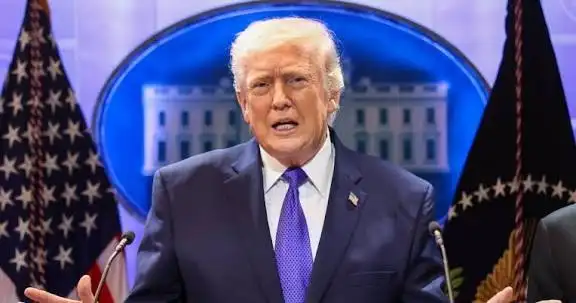
The United States Supreme Court on Tuesday delivered a landmark decision striking down former President Donald Trump sweeping global tariffs, ruling that the executive branch exceeded its authority in invoking emergency powers to impose broad trade duties. The judgment marks one of the most significant checks on presidential trade authority in decades and is expected to reshape the balance of power between Congress and the White House on economic policy.
In a majority opinion, the justices determined that the emergency statute relied upon by the administration did not grant unlimited authority to restructure global trade flows through across the board tariff measures. The Court emphasized that while the president holds substantial discretion in matters of national security and foreign commerce, such authority must remain within the boundaries clearly defined by Congress.
The case centered on whether the executive branch could justify sweeping tariffs on the grounds of economic and national security threats without explicit congressional approval. Several business coalitions and state governments had challenged the measures, arguing that the tariffs disrupted supply chains, raised consumer prices, and exceeded statutory limits. The Court agreed that the scale and scope of the duties went beyond what lawmakers intended when drafting emergency trade legislation.
Legal scholars described the ruling as a decisive reaffirmation of congressional primacy over taxation and trade policy. Writing for the majority, the Court underscored that tariff power historically rests with Congress under the Constitution, and any delegation of that authority must be interpreted narrowly when fundamental economic consequences are at stake.
The decision carries immediate financial implications. Analysts note that billions of dollars collected under the now invalidated tariffs may be subject to legal disputes or refund claims. Markets reacted cautiously, with investors weighing the broader policy uncertainty surrounding future trade measures.
Politically, the ruling intensifies debate over executive power. Supporters of the tariffs argued they were necessary tools to counter unfair trade practices and protect domestic industries. Critics maintained that the measures strained alliances and triggered retaliatory actions from major trading partners.
The administration signaled it is reviewing alternative legal pathways to maintain pressure in ongoing trade negotiations. Meanwhile, congressional leaders from both parties have indicated that they may revisit trade legislation to clarify the scope of presidential authority in future emergencies.
The Supreme Court intervention underscores the enduring tension between economic strategy and constitutional limits. As policymakers assess the aftermath, the ruling is poised to influence not only United States trade policy but also the broader framework governing executive power in times of perceived crisis.







Leave a comment