
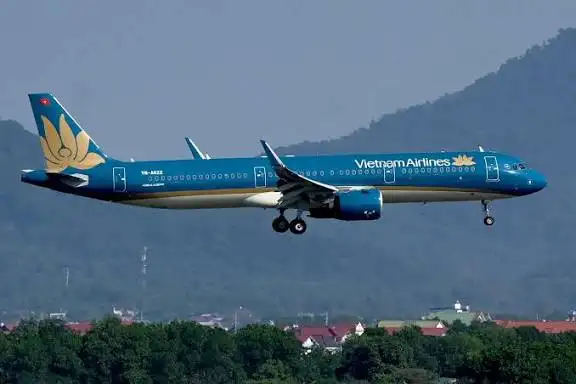
Vietnamese airlines have signed aircraft purchase agreements valued at approximately thirty billion dollars for new jets from Boeing, marking one of the largest aviation procurement commitments in the country’s history. The deals, announced during high level meetings between industry executives and government representatives, are expected to significantly expand fleet capacity over the coming decade.
The agreements involve multiple Vietnamese carriers seeking to modernize their fleets and accommodate rising passenger demand. Aviation officials said the new aircraft will support both domestic routes and long haul international services, positioning Vietnam as a growing hub in Southeast Asia’s competitive air travel market.
Representatives from Civil Aviation Authority of Vietnam noted that the procurement aligns with long term forecasts projecting sustained growth in tourism and business travel. The addition of fuel efficient aircraft is also intended to improve operational efficiency and reduce carbon emissions per passenger.
Industry analysts describe the scale of the orders as a signal of confidence in Vietnam’s economic trajectory. The country has experienced steady expansion in manufacturing, trade, and consumer spending, contributing to increased air travel demand. Expanding airport infrastructure in major cities is expected to complement fleet growth.
Boeing officials welcomed the agreements, highlighting partnerships with Vietnamese carriers and commitments to training and technical support. The company indicated that delivery schedules will be phased over several years, subject to production timelines and regulatory approvals.
Economic experts say the transactions could strengthen bilateral trade ties between Vietnam and the United States, while also reinforcing Vietnam’s strategic position within global aviation networks. Financing arrangements are likely to involve a combination of commercial loans, leasing agreements, and export credit support.
Environmental groups have encouraged airlines to integrate sustainability considerations into expansion plans. While modern aircraft offer improved fuel efficiency, increased air traffic can raise overall emissions if not balanced with mitigation strategies.
Government representatives in Hanoi described the deals as transformative for the aviation sector, with potential spillover benefits for tourism, logistics, and employment. As deliveries progress, Vietnam’s airlines are expected to enhance connectivity and compete more actively in regional and intercontinental markets.








Leave a comment