
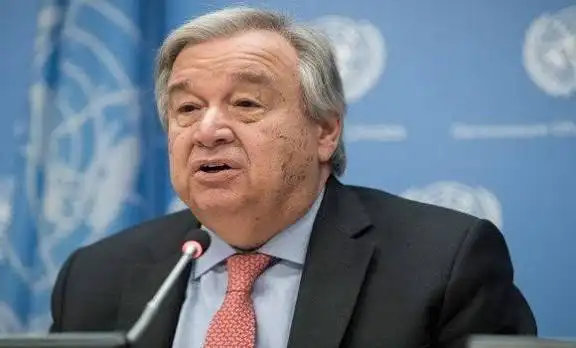
Humanitarian access to Gaza and the urgent need to restore agricultural activity dominated remarks at a briefing by the Secretary General of the United Nations, who called for immediate steps to prevent further deterioration of living conditions in the territory. Addressing diplomats and reporters, the Secretary General emphasized that sustained delivery of aid and support for food production are critical to averting a deeper humanitarian crisis.
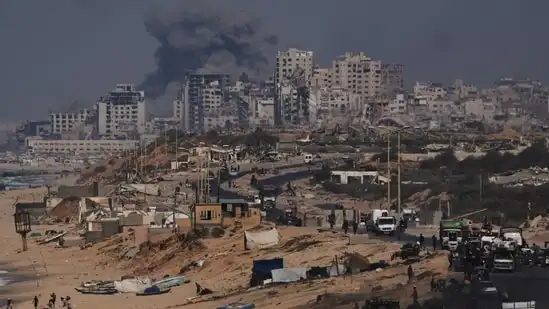
Officials outlined the scale of the challenges facing civilians in Gaza, where prolonged conflict has damaged homes, health facilities, water networks, and farmland. According to humanitarian agencies operating in the area, large segments of the population are experiencing acute food insecurity, with limited access to fresh produce and essential supplies. The destruction of agricultural land and irrigation systems has further constrained local food production.
The Secretary General urged all parties to facilitate safe and unimpeded humanitarian access, stressing that aid convoys must be allowed to reach those in need without delay. He highlighted the importance of protecting civilians and civilian infrastructure in accordance with international humanitarian law. Aid organizations have reported that logistical hurdles and security risks continue to complicate relief efforts.
Particular attention was given to the agricultural sector, which plays a vital role in supporting livelihoods and ensuring food availability. Farmers in Gaza have struggled to cultivate crops amid damaged fields, restricted movement, and shortages of fuel and equipment. Restoring agricultural capacity, the Secretary General said, would not only improve food security but also provide economic ility for families who depend on farming.
Donor countries were encouraged to increase financial contributions to emergency appeals supporting Gaza. Humanitarian officials warned that funding gaps are limiting the scale of assistance programs, including food distribution, medical services, and temporary shelter.
The briefing also underscored the psychological toll of the conflict on children and families. Access to education and basic health services remains disrupted in many areas, compounding long term risks for the population.
While diplomatic efforts to reduce hostilities continue, the Secretary General reiterated that immediate humanitarian measures cannot wait for political resolutions. For residents of Gaza, the combination of limited aid access and agricultural decline has created a precarious environment that demands urgent international attention and sustained support.










Leave a comment