
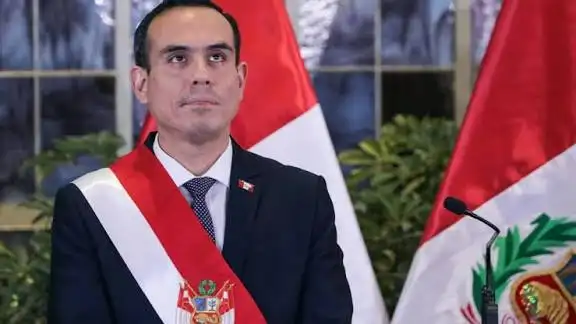
In a dramatic turn in Peru’s volatile political landscape, the Congress has voted to remove the country’s interim president following mounting allegations tied to an expanding corruption investigation. The decision, reached after hours of heated debate, marks yet another chapter in a prolonged period of institutional inility that has repeatedly tested public confidence in governance.
Lawmakers cited constitutional grounds related to moral incapacity and obstruction of justice as the basis for the removal. The vote followed weeks of scrutiny over contracts and appointments allegedly linked to individuals under investigation. Prosecutors have been examining claims that public resources were diverted or improperly allocated during the interim administration, though formal charges have yet to be detailed publicly.
The ousted leader denied wrongdoing in a brief address before the vote, describing the process as politically motivated and vowing to cooperate with legal authorities. Supporters argued that the accusations had not been substantiated and warned that the removal could deepen polarization. Critics countered that Congress had a responsibility to act decisively to protect institutional integrity.
Outside the legislative building in Lima, small groups of demonstrators gathered, reflecting a divided public mood. Some protesters welcomed the move as a necessary step toward accountability, while others expressed fatigue over recurring leadership crises that have disrupted economic planning and social programs.
Political analysts say Peru’s pattern of presidential turnover has created uncertainty for investors and strained relations between branches of government. The country has seen multiple ces in executive leadership in recent years, often driven by corruption allegations or clashes with Congress. Each transition has triggered debates over constitutional interpretation and the balance of power.
Under existing succession rules, the next in line is expected to assume the presidency on an interim basis pending further political developments. Observers note that the immediate challenge will be restoring ility and reassuring markets that governance will continue without interruption.
Business leaders and civil society groups have called for transparency in the ongoing investigation and urged authorities to avoid actions that could inflame tensions. Peru remains a significant producer of copper and other minerals, and sustained political turmoil risks affecting key sectors of the economy.
As the corruption probe proceeds, attention will focus on whether the transition can be managed smoothly. For many Peruvians, the episode reinforces concerns about systemic weaknesses in political institutions and the urgent need for reforms aimed at strengthening accountability and rebuilding trust.





Leave a comment