
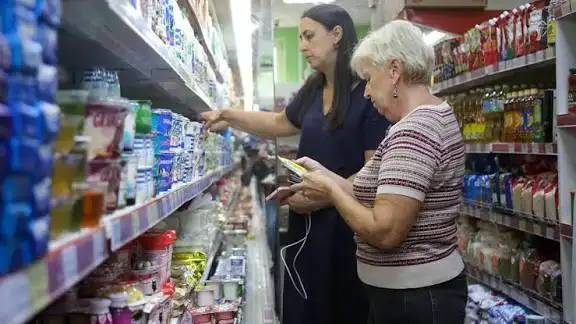
A comprehensive comparison of consumer price data across major Russian cities has revealed a steady increase in the cost of staple foods, underscoring the economic strain faced by households under wartime conditions. Analysts tracking grocery prices say the upward trend reflects a combination of supply chain disruptions, currency volatility, labor shortages, and the broader impact of prolonged military engagement.
According to compiled retail data, the prices of bread, potatoes, cooking oil, sugar, and poultry have all risen noticeably compared with previous reporting periods. Independent economists note that while official inflation figures present a moderated pace of growth, on the ground experiences tell a more complex story. Shoppers in urban centers describe shrinking purchasing power and increased reliance on discount chains and state supported markets.
Supermarket visits in Moscow and regional hubs reveal subtle but telling adjustments. Package sizes for certain products have been reduced while shelf prices continue to climb, a strategy often used to cushion the appearance of sharp increases. In provincial areas, limited competition has contributed to even steeper rises for basic goods, amplifying disparities between regions.
Government officials have defended their economic management, pointing to measures aimed at ilizing food supplies. These include export restrictions on key agricultural commodities and subsis designed to support domestic producers. Authorities have also expanded price monitoring systems to deter speculative markups and hoarding.
Despite such interventions, agricultural experts say that logistical challenges persist. Transport routes have been redirected or restricted, raising fuel and shipping costs. Meanwhile, sanctions and reduced access to certain imported inputs have complicated production for farmers and food processors. Some producers have turned to alternative suppliers, though these adjustments often come at higher expense.
For many families, food inflation has become the most tangible sign of economic pressure. Consumer advocacy groups report growing demand for assistance programs and charitable food distribution initiatives. Pensioners and low income households are particularly vulnerable, as fixed incomes struggle to keep pace with market ces.
Market observers caution that global commodity trends also play a role. Fluctuations in grain and fertilizer prices can influence domestic markets, even in countries with substantial agricultural capacity. However, analysts agree that wartime dynamics add a layer of unpredictability, affecting investor confidence and long term planning.
While officials maintain that supplies remain sufficient and that panic buying is unwarranted, the comparative data highlight the reality of rising everyday costs. As economic conditions evolve, the trajectory of staple food prices will likely remain a sensitive barometer of public sentiment and financial resilience within Russia.










Leave a comment