
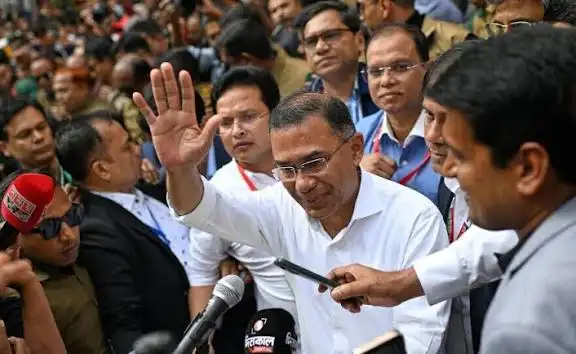
The government of Bangladesh announced the formation of a provisional cabinet following a decisive electoral victory that reshaped the country’s political landscape. The new leadership outlined priorities centered on economic reform, infrastructure modernization and expanded regional cooperation, signaling continuity in development policy while pledging administrative improvements.
Officials stated that cabinet appointments were structured to balance experience and technocratic expertise. Key ministries overseeing finance, commerce and transportation were assigned to senior figures tasked with addressing inflationary pressures and enhancing trade competitiveness. The administration emphasized the importance of attracting foreign investment and strengthening manufacturing capacity as part of broader economic resilience efforts.
Security measures remained heightened in the capital, Dhaka, as authorities monitored opposition reactions and public gatherings. Law enforcement agencies reported that the transition process remained orderly, though political analysts highlighted the need for inclusive dialogue to ensure long term ility. International observers encouraged transparency and constructive engagement among political stakeholders.
Regional partners expressed readiness to collaborate with the incoming cabinet on connectivity initiatives and climate adaptation strategies. Diplomats noted that Bangladesh occupies a strategic position in South Asia, making domestic political ility significant for regional trade and maritime security.
In its first public remarks, the new administration reaffirmed its commitment to democratic governance and institutional reform. Officials indicated that legislative proposals addressing regulatory efficiency and social welfare expansion would be introduced in the coming parliamentary session.












Leave a comment